 Skip to content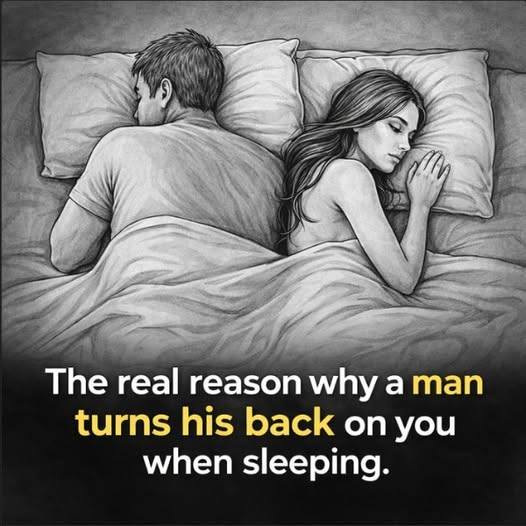
Sometimes daily stress or exhaustion can influence sleep behavior:
- People may seek less stimulation
- They may prefer a position that feels “neutral”
- The body prioritizes rest over closeness during deep sleep
This is temporary and not relationship-related.
💬 7. What it DOESN’T mean (important myths)
It does NOT mean:
- “They are angry at you”
- “They are losing interest”
- “They don’t love you anymore”
- “Something is wrong in the relationship”
These interpretations are emotional assumptions, not scientific facts.
💡 What actually matters in a relationship
Instead of focusing on sleep positions, relationship health is better measured by:
- Communication during the day
- Emotional support
- Respect and trust
- Shared time and connection
👉 Sleep is a biological process, not a communication tool.
🧠 When should you pay attention?
Only if sleep behavior is combined with:
- Emotional withdrawal while awake
- Lack of communication
- Ongoing conflict
Then it may reflect relationship dynamics—but not sleep position alone.
🌿 FINAL THOUGHTS
If your partner turns their back while sleeping, the most likely explanation is simple:
👉 They are trying to sleep comfortably.
Sleep is an unconscious, physical process—not a reflection of feelings or intentions.
The key takeaway is:
💑 Don’t read emotional meaning into biological behavior
💤 Sleep positions are about comfort, not communication
🧠 Relationships are defined by waking life, not sleeping posture
Because in the end, love is shown when you are awake—not when you are asleep. 😴✨