 Skip to content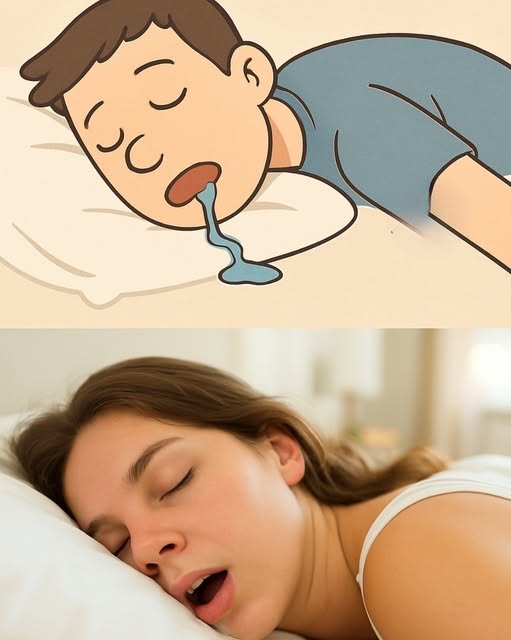
Waking up with drool on your pillow might feel embarrassing or even a little worrying. Many people immediately assume it means something is wrong with their health or brain. But in most cases, drooling during sleep is actually a completely normal body process—and it can tell you interesting things about how your brain and body behave while you rest.
Before jumping to conclusions, it’s important to understand what’s really happening inside your body when this occurs.
Let’s break it down in a simple and science-based way.
🧠 First: Is Drooling While Sleeping Normal?
Yes—drooling during sleep is usually normal.
It happens when saliva builds up in your mouth and escapes because your swallowing reflex slows down while you sleep. At the same time, your head position and breathing patterns change, making it easier for saliva to leak out.
In many cases, it is simply a sign that your body is:
- Fully relaxed
- In deep sleep stages
- Not actively controlling facial muscles
So instead of being a “bad sign,” it often means your body is resting properly.
😴 1. Your Brain Is Entering Deep Sleep Mode
One of the main reasons drooling happens is because your brain reduces muscle control during deeper stages of sleep.
During deep sleep:
- Your muscles relax completely
- Your swallowing reflex slows down
- Your awareness of saliva decreases
This is actually a healthy part of the sleep cycle. It means your brain is successfully shifting into restorative rest, where healing and recovery occur.
So yes—drooling can simply mean your brain is doing its job: helping you recover.
🛌 2. Your Sleeping Position Plays a Big Role
Your body position during sleep has a huge impact on whether you drool or not.
You are more likely to drool if you:
- Sleep on your side
- Sleep on your stomach
- Keep your mouth slightly open
Gravity makes it easier for saliva to leave your mouth in these positions.
On the other hand, people who sleep on their back often drool less—but this position isn’t always comfortable for everyone.
👉 So sometimes, drooling is just a posture issue, not a health issue.
🌬️ 3. Mouth Breathing During Sleep