 Skip to content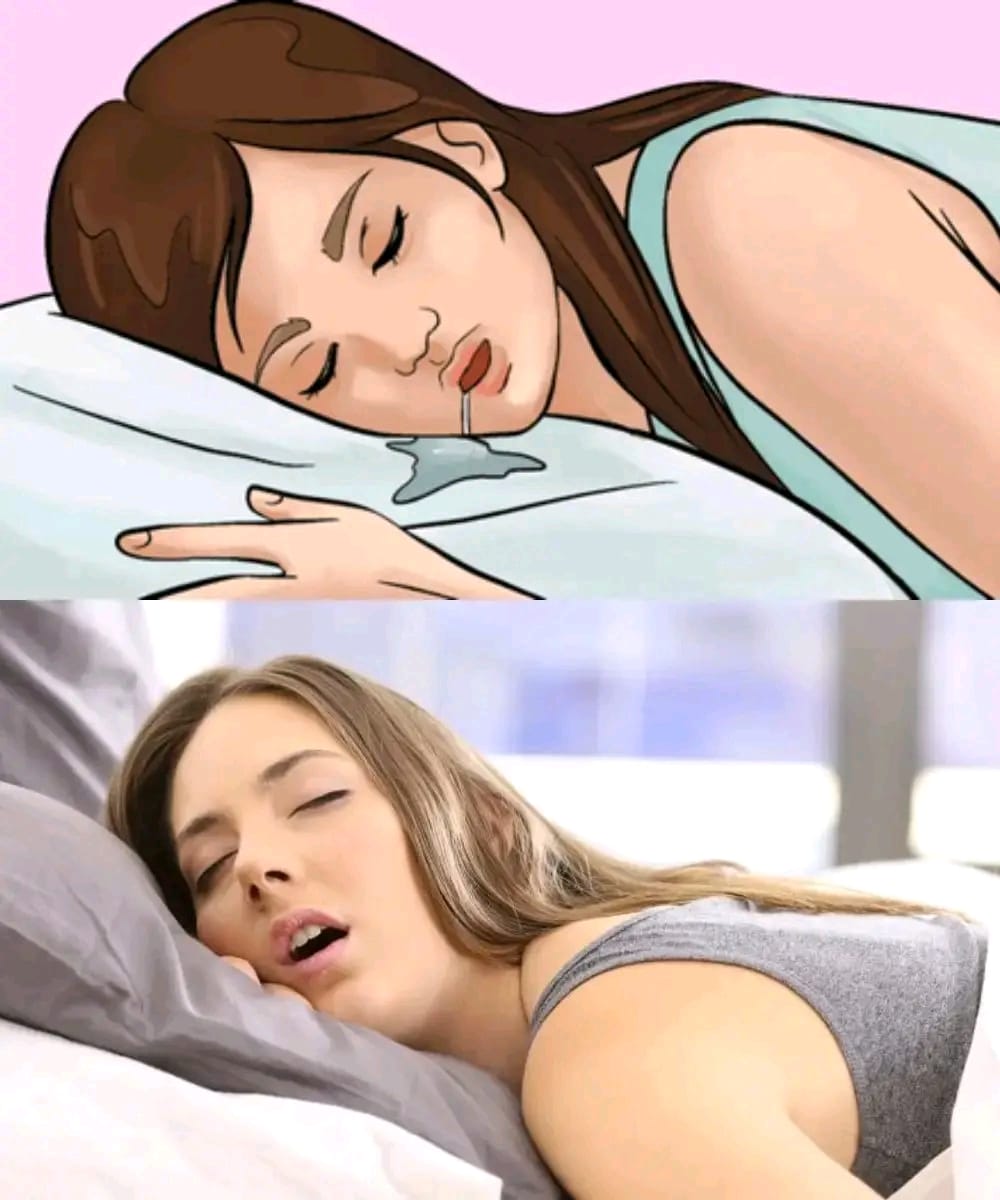
Drooling during sleep is usually not dangerous. However, you should pay attention if it is accompanied by:
- Loud or chronic snoring
- Difficulty breathing during sleep
- Excessive daytime sleepiness
- Sudden increase in drooling
- Trouble swallowing while awake
These signs may suggest an underlying condition that needs medical evaluation.
🧼 How to Reduce Nighttime Drooling Naturally
If drooling is mild and not related to a medical condition, simple lifestyle changes may help:
✔ Improve nasal breathing
Treat allergies or nasal congestion to reduce mouth breathing.
✔ Adjust sleep position
Sleeping on your back may reduce drooling in some cases.
✔ Maintain good oral health
Regular dental care helps improve mouth control and comfort.
✔ Stay hydrated
Proper hydration helps regulate saliva consistency.
✔ Practice breathing exercises
These can improve nasal breathing over time.
🌙 Final Thoughts
Drooling while sleeping is often harmless and simply part of how the body relaxes during deep sleep. However, frequent or excessive drooling can sometimes be linked to conditions such as sleep apnea, sinus problems, neurological disorders, dental issues, or medication side effects.
The key is observation—not panic. If drooling happens occasionally, it is usually normal. But if it becomes frequent or comes with other symptoms, it is worth checking with a healthcare professional.
Your sleep patterns can reveal a lot about your overall health, and even small signs like drooling may sometimes provide important clues about what is happening inside the body.