 Skip to content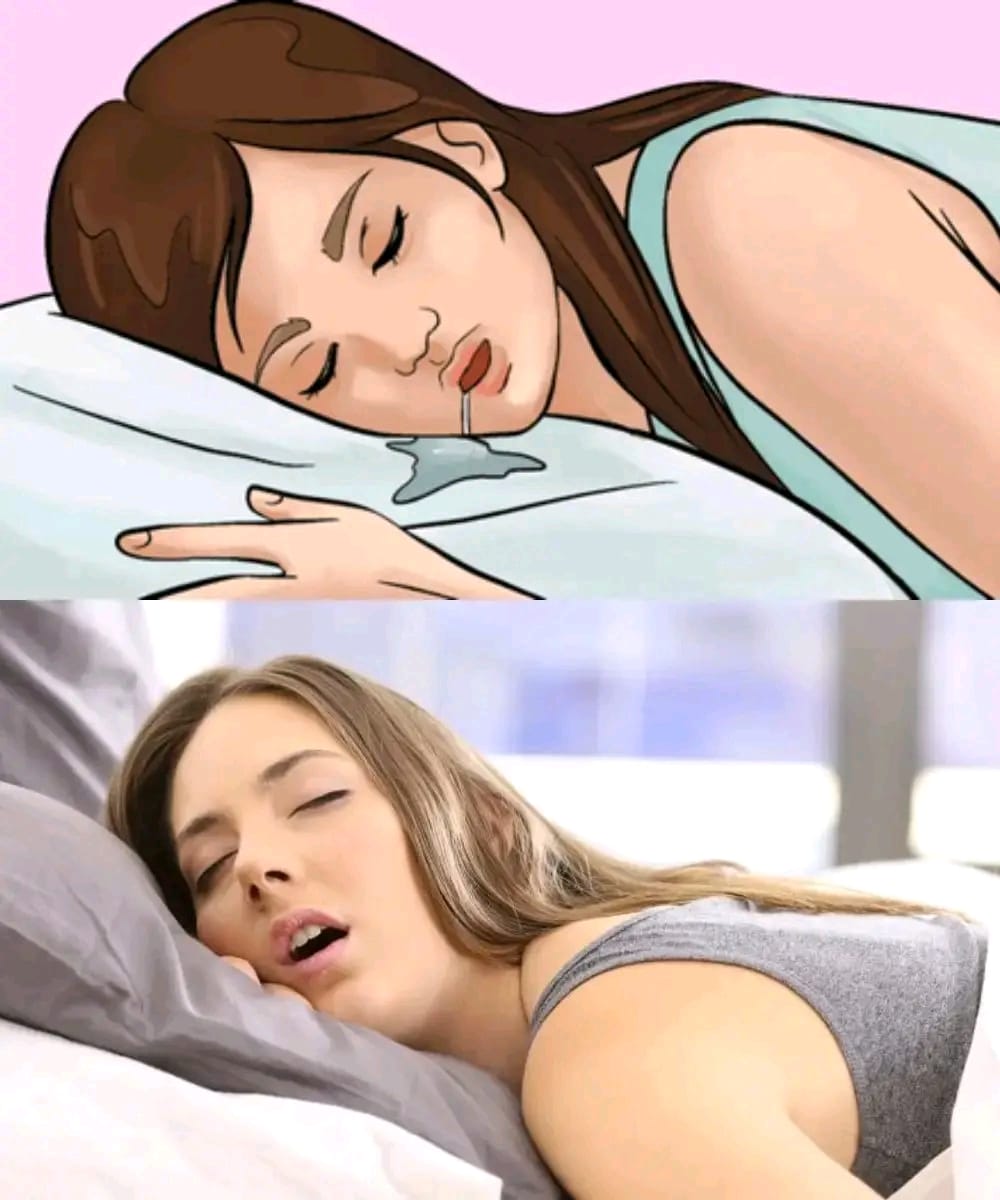
Drooling while sleeping is something many people experience occasionally, especially in deep sleep. In most cases, it is harmless and simply means your body is fully relaxed. However, when it happens frequently or excessively, it may sometimes point to underlying health issues that should not be ignored.
Understanding why it happens can help you distinguish between normal sleep behavior and possible medical concerns.
😴 Why Do People Drool During Sleep?
Saliva production continues even when you are asleep. Normally, swallowing reflexes keep saliva under control. But during deep sleep, especially REM sleep, swallowing slows down, and saliva may leak out of the mouth.
This is usually harmless. However, persistent or excessive drooling may be linked to certain conditions affecting the mouth, nervous system, or sleep quality.
⚠️ 1. Sleep Apnea
One of the most important conditions associated with drooling during sleep is obstructive sleep apnea.
This happens when breathing repeatedly stops and starts during sleep due to airway blockage.
Common signs include:
- Loud snoring
- Waking up gasping for air
- Dry mouth in the morning
- Excessive daytime fatigue
When breathing is disrupted, people often sleep with their mouth open, which can increase drooling.
Sleep apnea should be evaluated by a healthcare professional because it can affect heart health and overall oxygen levels.
🤧 2. Sinus Infections or Allergies
Blocked nasal passages from allergies or sinus infections can force a person to breathe through the mouth at night.
When the mouth stays open during sleep:
- Saliva is more likely to escape
- Drooling becomes more noticeable
- Sleep quality may decrease
Chronic allergies or untreated sinus issues can therefore contribute to frequent nighttime drooling.
🧠 3. Neurological Conditions
In some cases, excessive drooling may be related to neurological disorders that affect muscle control.
Conditions such as:
- Parkinson’s disease
- Stroke recovery
- Cerebral palsy
can reduce the ability to control swallowing and facial muscles, leading to drooling during both day and night.
This type of drooling is usually persistent and may worsen over time.
🦷 4. Dental or Oral Problems
Oral health plays a major role in saliva control. Certain dental issues can contribute to drooling during sleep, such as:
- Misaligned teeth or jaw structure
- Poor oral posture
- Untreated cavities or infections
- Gum disease causing discomfort
When the mouth cannot close properly or swallowing is uncomfortable, saliva may leak out more easily during sleep.
💊 5. Side Effects of Certain Medications
Some medications can increase saliva production or affect muscle control in the mouth.
Examples include:
- Certain antipsychotic medications
- Drugs used for neurological conditions
- Some sedatives or sleep aids
In these cases, drooling may begin after starting a new medication. If this happens, a doctor may adjust the dosage or suggest alternatives.
😴 6. Deep Sleep or Sleeping Position
Not all causes of drooling are medical. Sometimes it is simply related to sleep habits.
Common non-medical causes include:
- Sleeping on your side or stomach
- Extremely deep sleep
- Tiredness or sleep deprivation
In these positions, gravity makes it easier for saliva to escape the mouth. This type of drooling is usually harmless and occasional.
🧠 When Should You Be Concerned?