 Skip to content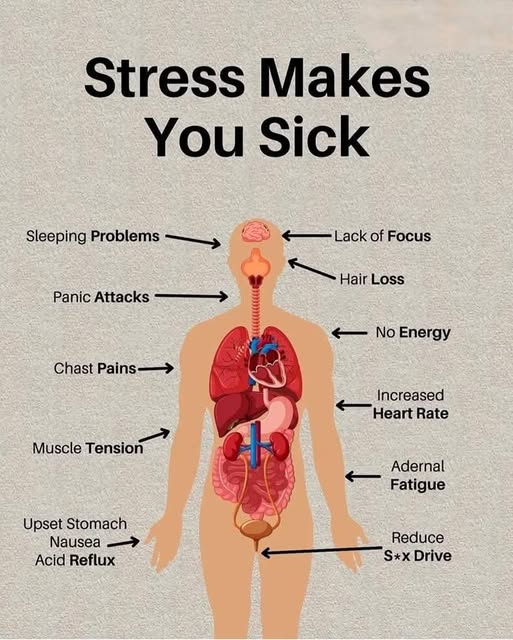
The good news: stress can be managed with consistent habits.
Here are evidence-based methods:
🌬️ 1. Deep Breathing Exercises
Slow breathing helps activate the body’s relaxation system.
Try:
- Inhale for 4 seconds
- Hold for 4 seconds
- Exhale for 6–8 seconds
This signals your brain to calm down.
🚶 2. Regular Physical Activity
Exercise helps reduce stress hormones and improve mood.
You don’t need intense workouts:
- Walking
- Light jogging
- Stretching
Even 20–30 minutes a day can make a difference.
🧠 3. Reduce Mental Overload
Stress often comes from too many thoughts at once.
Helpful strategies:
- Write tasks down
- Prioritize important work
- Avoid multitasking
This helps your brain feel more organized and less overwhelmed.
📵 4. Limit Digital Stress
Constant notifications and social media can increase mental pressure.
Try:
- Phone-free time before bed
- Reducing unnecessary screen time
- Taking breaks from social media
💤 5. Improve Sleep Routine
Better sleep reduces stress naturally.
Helpful habits:
- Fixed sleep schedule
- Avoid caffeine late in the day
- Relax before bed (reading, calm music)
🧘 6. Relaxation Techniques
Activities that calm the nervous system include:
- Meditation
- Yoga
- Listening to calming music
- Spending time in nature
These help reset your stress response.
⚖️ When Stress Becomes a Problem
Stress becomes concerning when it is:
- Constant
- Affecting sleep
- Impacting relationships
- Interfering with daily life
In such cases, seeking professional support can be very helpful.
🌟 The Bottom Line
Stress is a natural part of life, but when it becomes chronic, it can affect your heart, brain, sleep, digestion, and immune system.
However, with simple daily habits, it can be managed effectively.
💬 Final Thought
You can’t always control what happens in life—but you can control how your body responds to it.
And sometimes, the strongest thing you can do is simply slow down, breathe, and give your mind the rest it needs. 😌