 Skip to content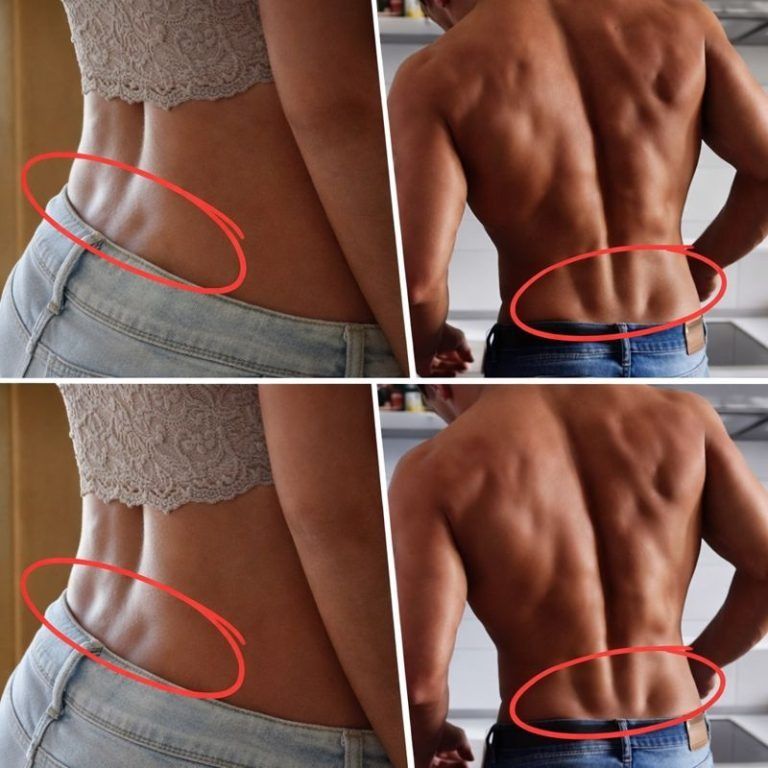
Social media tends to turn physical traits into symbolic stories because:
- Symmetry is visually appealing to the brain
- Rare-looking features attract attention
- People enjoy assigning meaning to physical differences
- “Mystery” content spreads faster than scientific explanations
As a result, lower back dimples are often described as:
- “Angel marks” ✨
- “Attraction signs” ❤️
- “Genetic gifts” 💎
- “Energy points” 🔮
But these interpretations are cultural storytelling, not medical facts.
🧬 What science actually confirms
From a medical and anatomical perspective, these dimples:
✔ Are normal variations in human anatomy
✔ Result from ligament and bone structure
✔ Have no impact on health or personality
✔ Do not indicate any hidden abilities or traits
They are simply part of how different human bodies are formed.
Just like:
- Eye spacing
- Ear shape
- Finger length
- Facial symmetry
They fall under normal biological diversity.
📊 How common are they really?
They are not extremely rare, but not everyone has clearly visible ones.
Visibility depends on:
- Genetic structure of the pelvis
- Distribution of subcutaneous fat
- Muscle development in the lower back
- Individual body posture
Some people have deep, obvious dimples. Others may have very faint ones that are only visible in certain lighting or positions.
⚠️ Important medical note (often confused online)