 Skip to content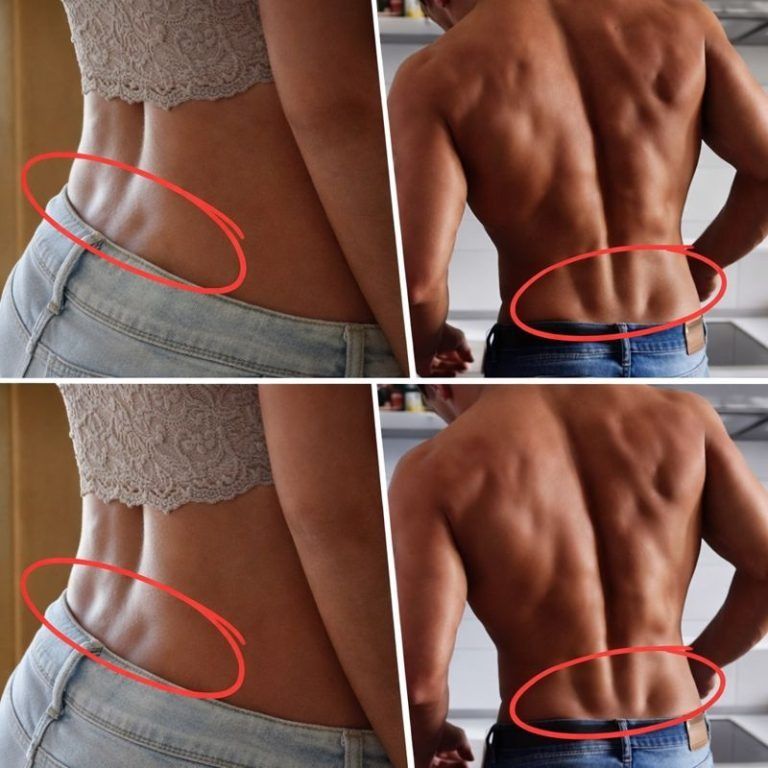
If you’ve ever noticed two small, symmetrical indentations on the lower back—just above the buttocks—you’re not alone. They often catch attention because they look unusual, almost “designed,” which is exactly why social media loves to attach mysterious meanings to them.
You’ll see claims like “angel marks,” “signs of beauty,” “genetic perfection,” or even “hidden energy points.” But what does science actually say?
The answer is much simpler—and far more grounded in human anatomy.
🧬 First: what are these dimples actually called?
These small indentations are known medically as Dimples of Venus.
They appear on the lower back, typically right where the pelvis meets the spine region, and are usually perfectly symmetrical.
Despite the dramatic names online, they are not rare mystical markings or special biological signals. They are simply a normal anatomical variation found in some people.
🦴 Why do they exist in the first place?
The real reason is completely physical and structural.
These dimples form because of how skin, ligaments, and bone connect in that area of the body.
More specifically:
- The skin is tightly anchored to the posterior superior iliac spine (part of the pelvis)
- There is a natural indentation where connective tissue is shorter or more fixed
- Fat and muscle distribution around the lower back varies from person to person
So the dimples are basically:
👉 Points where the skin is “pulled in” closer to the bone underneath.
Nothing supernatural—just anatomy doing its job.
👶 Are you born with them or do they develop later?
Most people are born with the structural tendency for these dimples, but they may not always be visible.
They become more noticeable when:
- Body fat levels are lower
- The lower back is naturally lean
- Certain movements or postures highlight the indentation
- Muscle tone around the pelvis changes over time
In other words, they can be:
- Visible from childhood
- More obvious during adolescence
- Or only noticeable in certain body positions
💪 The internet myth: “only fit people have them”
One of the most common viral claims is that lower back dimples mean someone is fit, athletic, or in perfect health.
But medically, this is not accurate.
Here’s the reality:
- They are influenced by genetics, not fitness level alone
- People with different body types can have them
- They are not a measurement of strength, health, or fat percentage
Yes, they may appear more visible in leaner individuals—but that does not mean they are exclusive to them.
So the idea of them being a “fitness badge” is misleading.
🧠 Where the “hidden meaning” stories come from