 Skip to content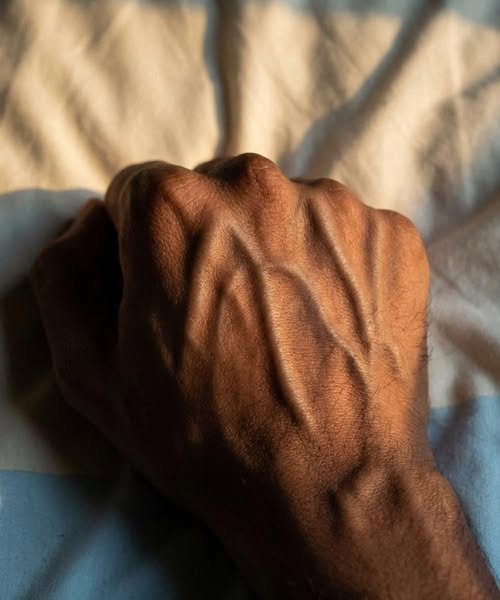
Veins act like highways for blood flow. Visible veins may hint at the efficiency of your circulatory system:
- Healthy veins in active individuals – Often seen in athletes due to increased blood flow and lower fat layers.
- Weak or damaged veins – Can lead to discomfort, swelling, or clot formation if left unchecked.
- Signs of inflammation or vascular disease – Redness, tenderness, or rapid swelling near veins should always be evaluated by a healthcare professional.
🏃 Lifestyle Factors That Affect Vein Visibility
Your daily habits can influence how your veins appear:
- Exercise Regularly – Strength training and cardiovascular activity can improve circulation and vein health.
- Maintain Healthy Weight – Reduces pressure on veins and lowers risk of varicose veins.
- Stay Hydrated – Adequate fluids keep blood volume normal and veins flexible.
- Avoid Long Periods of Sitting or Standing – Movement helps prevent blood pooling and vein stress.
- Elevate Hands and Legs – Improves circulation and reduces vein prominence after prolonged activity.
🌿 Natural Ways to Support Vein Health
If you’re concerned about visible veins, there are safe strategies to keep your circulatory system strong:
- Eat a Balanced Diet – Include foods rich in vitamin C, vitamin E, and bioflavonoids to support vein elasticity.
- Wear Compression Gloves or Stockings – Helps improve blood flow in those with varicose tendencies.
- Avoid Excessive Heat – Hot baths and saunas can dilate veins excessively.
- Strengthen Muscles – Strong muscles support veins and promote better circulation.
💡 When to Seek Medical Advice