 Skip to content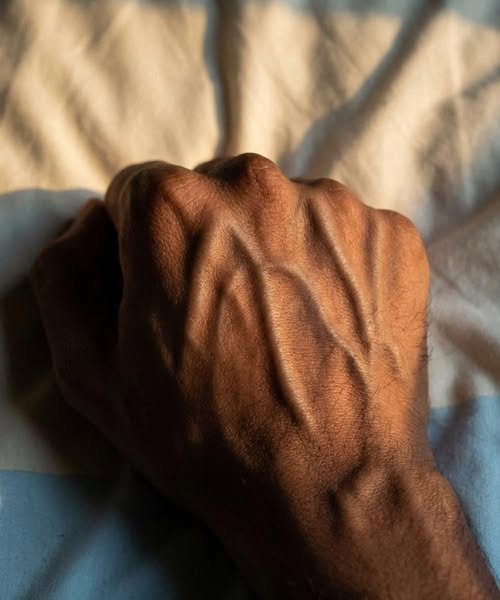
Have you ever noticed that the veins in your hands appear more prominent than usual? Maybe they’re bulging, blue, or just more visible than you remember. While for many people this is completely normal, sometimes it can be a subtle signal about your health.
Understanding what your veins are telling you can help you identify issues early, improve circulation, and maintain overall wellness. Let’s explore why veins become visible, what it might indicate, and when you should pay attention.
🧠 Why Veins Become Visible
Veins are blood vessels responsible for returning blood from your body back to the heart. Their visibility can change based on a variety of factors:
1. Low Body Fat
People with less subcutaneous fat tend to have more prominent veins because there’s less tissue covering them. This is why athletes often have highly visible veins in their hands, arms, and legs.
2. Aging
As we age, skin loses elasticity and becomes thinner. This can make veins more noticeable even without changes in health.
3. Genetics
Some people naturally have more visible veins due to hereditary factors, including vein size and skin transparency.
4. Temperature Changes
Heat causes veins to dilate, making them more visible, while cold makes them shrink. That’s why your veins might “pop” on a hot day.
5. Physical Activity
Exercise increases blood flow and muscle contraction, temporarily making veins more prominent.
⚠️ When Visible Veins Could Signal a Health Issue
While often harmless, prominent veins can sometimes indicate underlying health concerns:
- Circulatory Issues – Weak vein valves can cause blood pooling, leading to varicose or spider veins.
- Dehydration – Low blood volume can make veins appear more visible.
- Weight Loss or Muscle Loss – Rapid fat loss can uncover veins that were previously hidden.
- High Blood Pressure or Cardiovascular Strain – Occasionally, prominent veins can reflect increased pressure on your circulatory system.
🩺 What Your Veins Can Reveal About Circulation