 Skip to content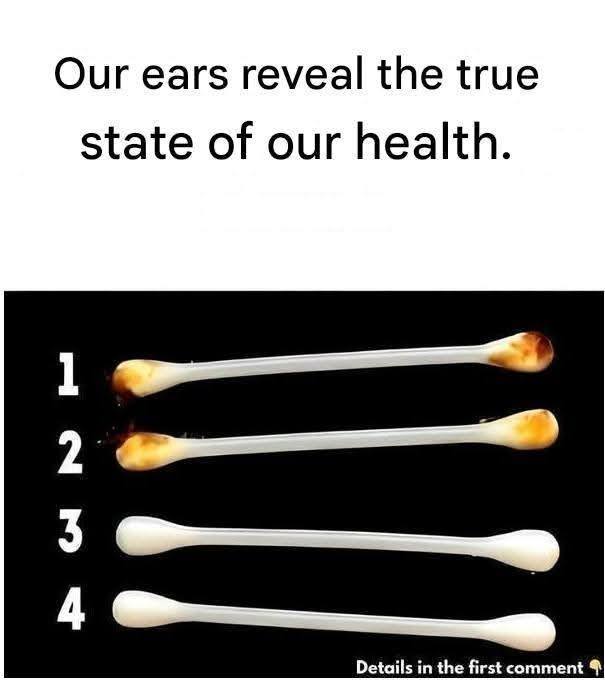
Ear discomfort can come from various causes.
Possible reasons:
- Infection
- Sinus pressure
- Jaw or dental issues
👉 Ongoing pain should not be ignored.
🧠 7. Ear shape and genetic traits
Ear structure is largely genetic.
While some studies have explored links between physical traits and health risks, it’s important to be cautious:
👉 Ear shape alone is NOT a reliable health indicator.
💡 8. The “earlobe crease” myth
You may have heard that a diagonal crease in the earlobe signals heart disease.
Reality:
- Some studies have explored this association
- Evidence is not strong enough for diagnosis
👉 It is NOT a definitive medical sign.
🧠 Why ears are connected to overall health
The ears are linked to:
- Nervous system
- Circulatory system
- Balance system
👉 That’s why certain changes can reflect broader conditions—but never in isolation.
🚨 When to seek medical advice
You should consult a professional if you experience:
- Sudden hearing loss
- Persistent ringing
- Severe dizziness
- Ongoing ear pain
- Discharge from the ear
👉 Early evaluation can prevent complications.
🥗 Simple habits to support ear health
✔️ Avoid excessive loud noise
✔️ Keep ears clean (but don’t insert objects inside)
✔️ Stay hydrated
✔️ Manage stress
✔️ Protect ears in noisy environments
🌿 FINAL THOUGHTS
Your ears can offer subtle clues about your health—but they are not a diagnostic tool on their own.
The key message is:
👉 Pay attention to changes, not assumptions
👉 Combine awareness with medical guidance
👉 Focus on overall health, not isolated signs
Because in the end, your body communicates in many ways—and listening carefully (sometimes literally) can help you take better care of your health. 👂✨