 Skip to content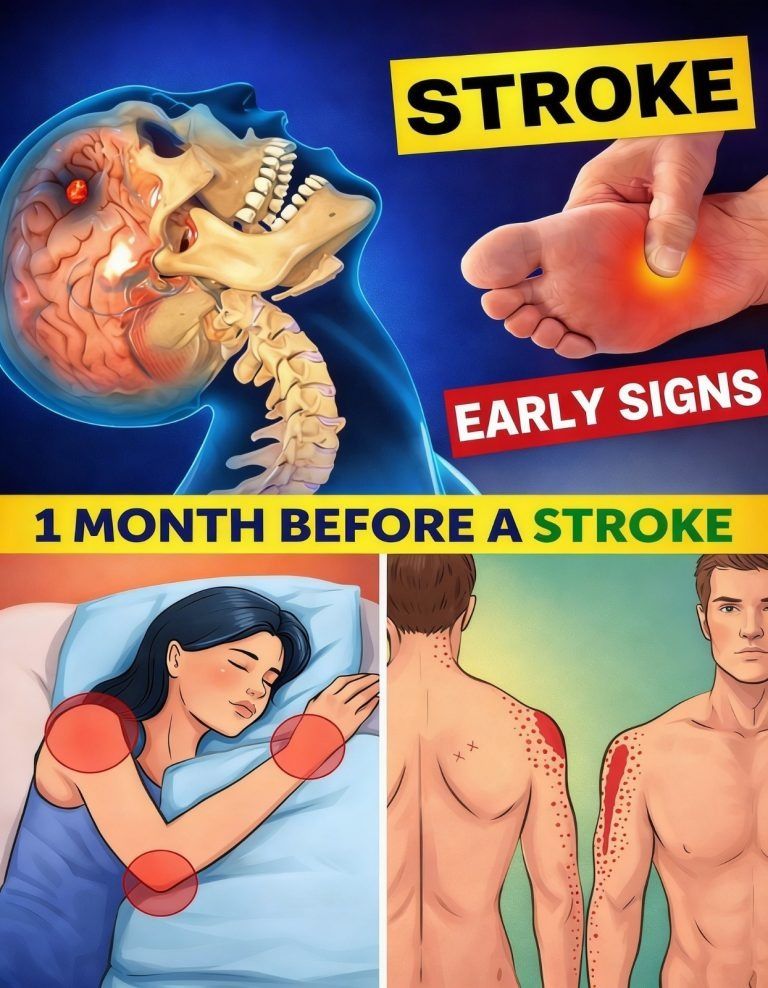
A stroke can happen suddenly—but in some cases, the body gives early warning signs days or even weeks in advance. Recognizing those signals and taking preventive steps can make a real difference.
First, a quick definition: a stroke occurs when blood flow to part of the brain is interrupted (either by a blockage or a bleed). This can lead to brain cell damage within minutes.
👉 Important: Early signs are not always obvious, and they don’t occur in every case. But knowing what to watch for can help you act quickly.
🧠 8 possible warning signs that may appear before a stroke
These symptoms can be mild, temporary, or come and go—but they should never be ignored.
⚡ 1. Sudden numbness or weakness (especially on one side)
- Face, arm, or leg feels weak or “asleep”
- Often affects only one side of the body
👉 This is one of the most classic neurological warning signs.
🗣️ 2. Trouble speaking or understanding speech
- Slurred words
- Difficulty forming sentences
- Trouble understanding others
👉 Even brief episodes matter.
👁️ 3. Vision problems
- Blurred or double vision
- Sudden loss of vision in one eye
👉 Changes may come and go before a major event.
😵 4. Dizziness or loss of balance
- Sudden unsteadiness
- Difficulty walking
- Feeling like the room is spinning
🤕 5. Unusual or severe headache
- Sudden, intense headache with no clear cause
- Different from typical headaches
👉 Especially important if it appears suddenly.
🧠 6. Confusion or difficulty concentrating
- Trouble thinking clearly
- Sudden mental fog
🫁 7. Short episodes of weakness or “mini-strokes”
These are often called transient ischemic attacks (TIAs).
- Symptoms last minutes to hours
- Then disappear
👉 This is a major warning sign and requires medical attention.
💓 8. Sudden fatigue or unexplained weakness
Some people experience:
- Unusual tiredness
- Sudden drop in energy
👉 This can be subtle but important when combined with other signs.
🚨 What to do if symptoms appear
Even if symptoms go away:
👉 Seek medical care immediately
👉 Do not wait for them to return
👉 Early evaluation can prevent a major stroke
🧠 9 tips to help reduce stroke risk
While not all strokes can be prevented, many risk factors are manageable.
🥗 1. Eat a balanced diet
Focus on:
- Fruits and vegetables
- Whole grains
- Healthy fats
👉 Supports heart and brain health.
🚶♂️ 2. Stay physically active
- Walking, light exercise, or regular movement
- Helps improve circulation and overall health
❤️ 3. Monitor blood pressure
High blood pressure is a major risk factor.
👉 Regular checks are essential.
🍬 4. Manage blood sugar levels
If you have diabetes:
- Follow medical advice
- Keep levels stable
⚖️ 5. Maintain a healthy weight
Excess weight increases strain on:
- Heart
- Blood vessels
🚭 6. Avoid smoking
Smoking damages blood vessels and increases stroke risk significantly.
🍷 7. Limit alcohol intake
Excessive alcohol can affect:
- Blood pressure
- Heart health
😴 8. Get enough sleep
Poor sleep can affect:
- Blood pressure
- Hormonal balance
🧘♀️ 9. Manage stress
Chronic stress may contribute to:
- High blood pressure
- Unhealthy habits
👉 Relaxation techniques and balance help.
🧠 Quick reminder: FAST signs of stroke