 Skip to content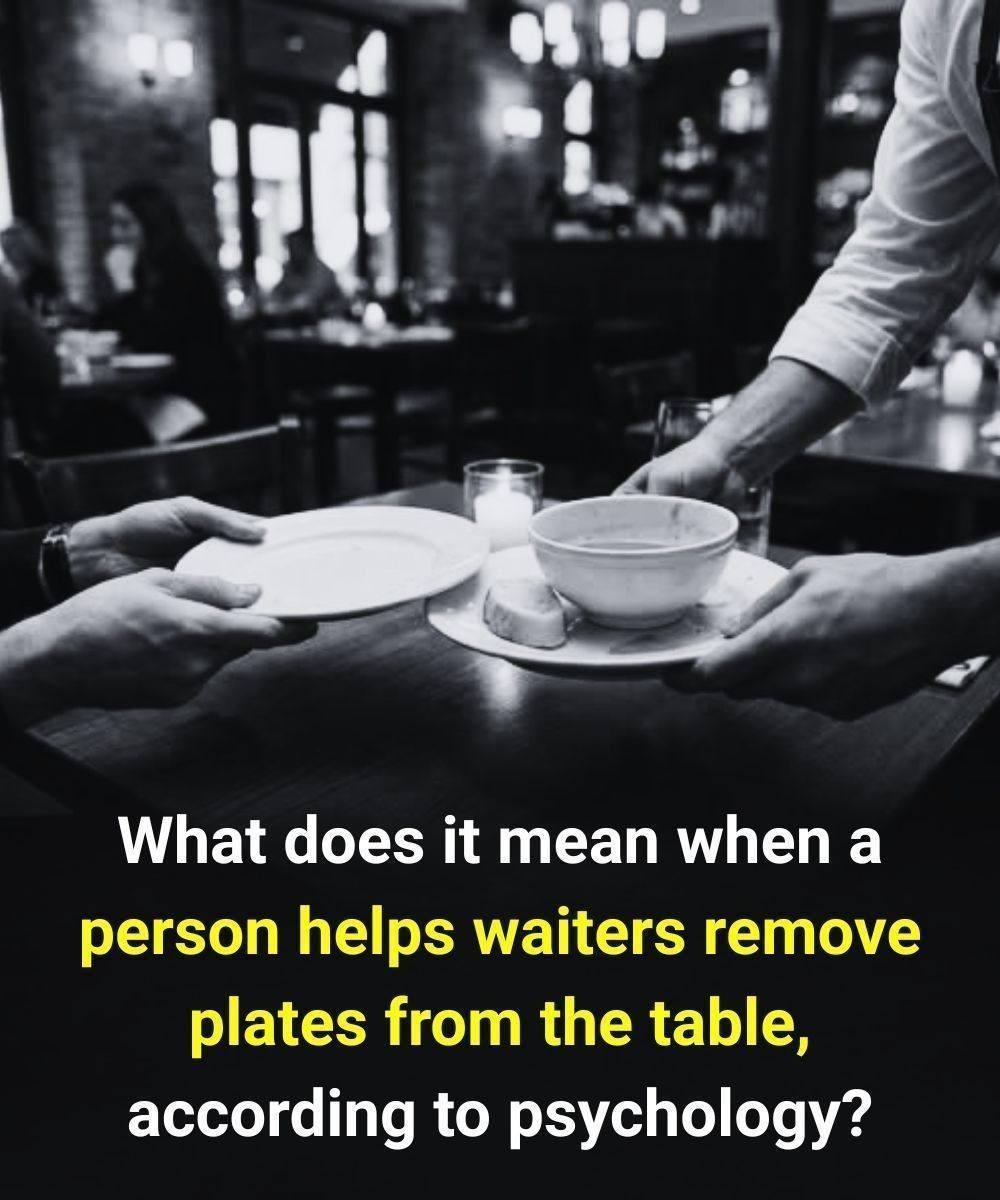
Basic manners—like making eye contact, saying “thank you,” and acknowledging effort—are more than just social niceties. They are signs of social awareness.
When someone consistently shows appreciation toward waitstaff, it suggests they value fairness and mutual respect. These individuals often carry the same attitude into other areas of life, whether at work, with friends, or within their families.
Interestingly, many employers and leaders pay attention to this behavior. There’s a well-known idea in professional circles: if you want to understand someone’s true character, observe how they treat people who are not in a position to benefit them directly.
Generosity and Gratitude
Tipping behavior, where culturally appropriate, is another revealing factor. While tipping practices vary around the world, the underlying principle of generosity remains important.
People who are generous with waitstaff often demonstrate a broader mindset of gratitude. They recognize effort and are willing to give back. Gratitude has been linked to higher levels of happiness, lower stress, and improved overall well-being.
Generosity doesn’t always mean giving more money—it can also show up as kind words, patience, and understanding. Even small gestures can make a big difference in someone else’s day.
The Ripple Effect of Kindness
One of the most fascinating aspects of human behavior is how it spreads. Kindness is contagious. When you treat waitstaff with respect, you not only improve their experience but also contribute to a more positive environment overall.
Servers who feel respected are more likely to provide better service, creating a cycle of positivity. Other diners may also notice and be influenced by your behavior. In this way, a simple act of kindness can have a ripple effect far beyond a single interaction.
What If You Recognize Yourself in the Negative?
It’s important to approach this topic with honesty rather than judgment. Everyone has moments of impatience or frustration. The key is self-awareness.
If you recognize behaviors you’d like to change, the good news is that they can be improved. Start with small steps:
- Pause before reacting when something goes wrong
- Practice saying “thank you” more often
- Remind yourself that everyone is doing their best
Over time, these habits can reshape not only how others see you, but also how you see yourself.
Final Thoughts
The way you treat waitstaff might seem like a minor detail, but it can reveal deeper aspects of your personality—empathy, patience, respect, and emotional intelligence. These qualities don’t just affect your dining experience; they shape your relationships, career, and overall outlook on life.
Next time you sit down at a restaurant, take a moment to reflect. A simple smile, a kind word, or a bit of patience can say more about you than you realize—and it might just make the world a little better, one interaction at a time.