 Skip to content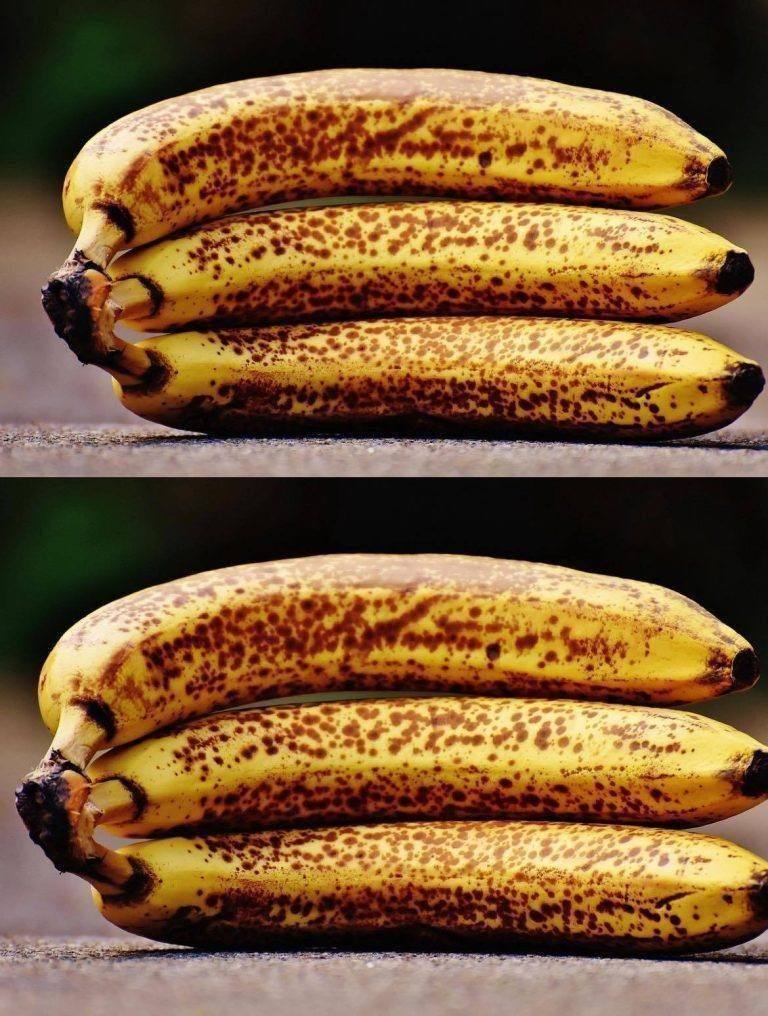
Before exercise 🏃
However, this also means they can raise blood sugar faster than greener bananas.
🛡️ 4. Antioxidant Changes During Ripening
As bananas ripen further, they also develop changes in natural plant compounds that act as:
Antioxidants
These compounds may help:
- Support cell protection
- Reduce oxidative stress
- Contribute to overall nutritional value
Interestingly, the darker the banana becomes, the more these compounds can increase in certain stages.
⚖️ 5. Spotted Bananas vs Green Bananas
Different ripeness levels offer different benefits:
🟢 Green bananas:
- Higher resistant starch
- Slower digestion
- More filling for longer
🟡 Yellow bananas:
- Balanced sweetness and texture
- Good everyday option
🟤 Spotted bananas:
- Very sweet
- Soft and easy to digest
- Quick energy release
👉 None are “bad”—they just serve different purposes.
⚠️ 6. When You SHOULD NOT Eat Them
Even though spotted bananas are usually safe, there are important exceptions.
Avoid eating them if:
🚫 Mold appears
- White, green, or fuzzy growth
- Indicates spoilage, not ripening
🚫 Strong sour or fermented smell
- Suggests fermentation or decay
🚫 Liquid or leaking inside peel
- Can indicate over-fermentation
In these cases, the fruit is no longer safe.
🧠 7. Why People Think They’re “Bad”
The confusion comes from appearance.
Many people associate:
- Dark color = rot
- Soft texture = spoiled
But in reality, banana ripening is a natural enzymatic process, not decay.
So spotted bananas often get unfairly labeled as “bad” when they are simply overripe.
🍽️ 8. Best Uses for Spotted Bananas