 Skip to content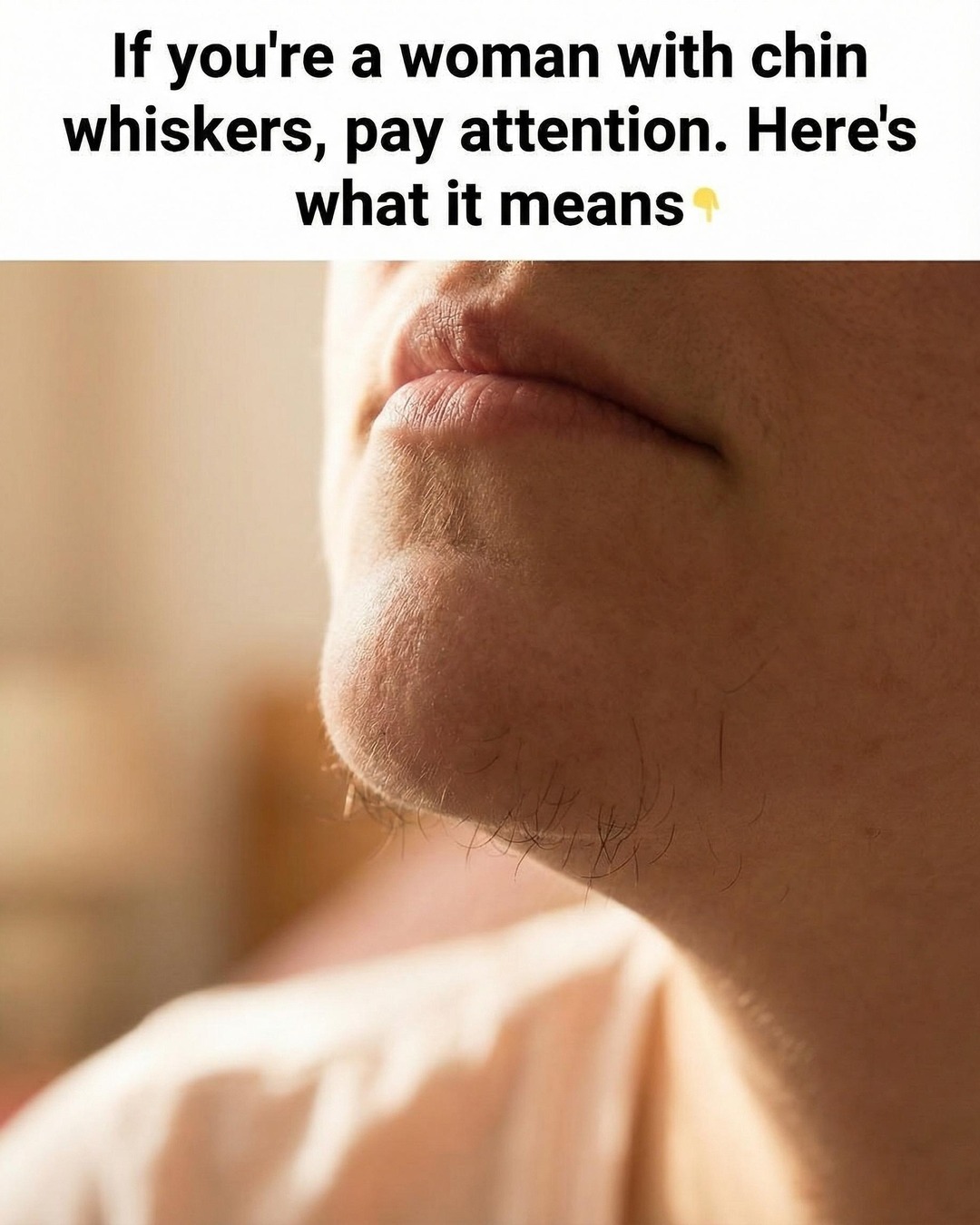
It can be surprising—or even a little worrying—to notice chin whiskers growing, especially if they seem new, thicker, or darker than before. Many viral posts online try to make this sound like a warning sign of serious illness, but the reality is much more balanced.
Chin hair growth is extremely common and usually linked to normal biology, not disease. However, in some cases, it can also give clues about hormonal changes happening inside the body.
Let’s explore it in detail so you understand what’s normal, what’s not, and when to pay attention 👇
🧬 First: Chin Whiskers Are Completely Normal
Chin whiskers are a type of terminal hair—thicker, darker hair that can appear on the face due to hormone activity.
The main driver behind this is:
Hormones
Both men and women produce hormones called androgens. These hormones influence:
- Hair growth patterns
- Skin oil production
- Body hair distribution
So even in perfectly healthy people, chin hairs can appear naturally.
👵 1. The Most Common Reason: Aging
One of the biggest reasons people notice chin whiskers—especially after 30, 40, or 50—is simply aging.
As the body ages:
- Estrogen levels may gradually decline (in women)
- Androgen balance becomes more noticeable
- Hair follicles become more sensitive in certain areas
This can lead to:
- A few stray chin hairs
- Thicker or darker facial hairs
- More noticeable hair growth than in younger years
👉 This is a natural biological shift, not a disease.
🧬 2. Genetics: The Hidden Blueprint
Genetics plays a huge role in hair growth patterns.
If your mother, grandmother, or female relatives had chin whiskers, chances are:
- You may also develop them
- The timing and thickness can vary
- It may appear even with normal hormone levels
In many cases, it’s simply inherited—not caused by any health issue.
⚖️ 3. Hormonal Changes Across Life Stages
Hormones naturally fluctuate during different phases of life:
🤰 Pregnancy
Hormonal shifts can temporarily increase facial hair.
🌸 Postpartum period
Hormones rebalance after childbirth, sometimes changing hair patterns.
🌙 Perimenopause and menopause
One of the most common times for new chin hairs to appear.
During these phases, levels of:
Hormones
shift significantly, which can make facial hair more noticeable.
🧠 4. When Chin Whiskers May Indicate a Hormonal Imbalance