 Skip to content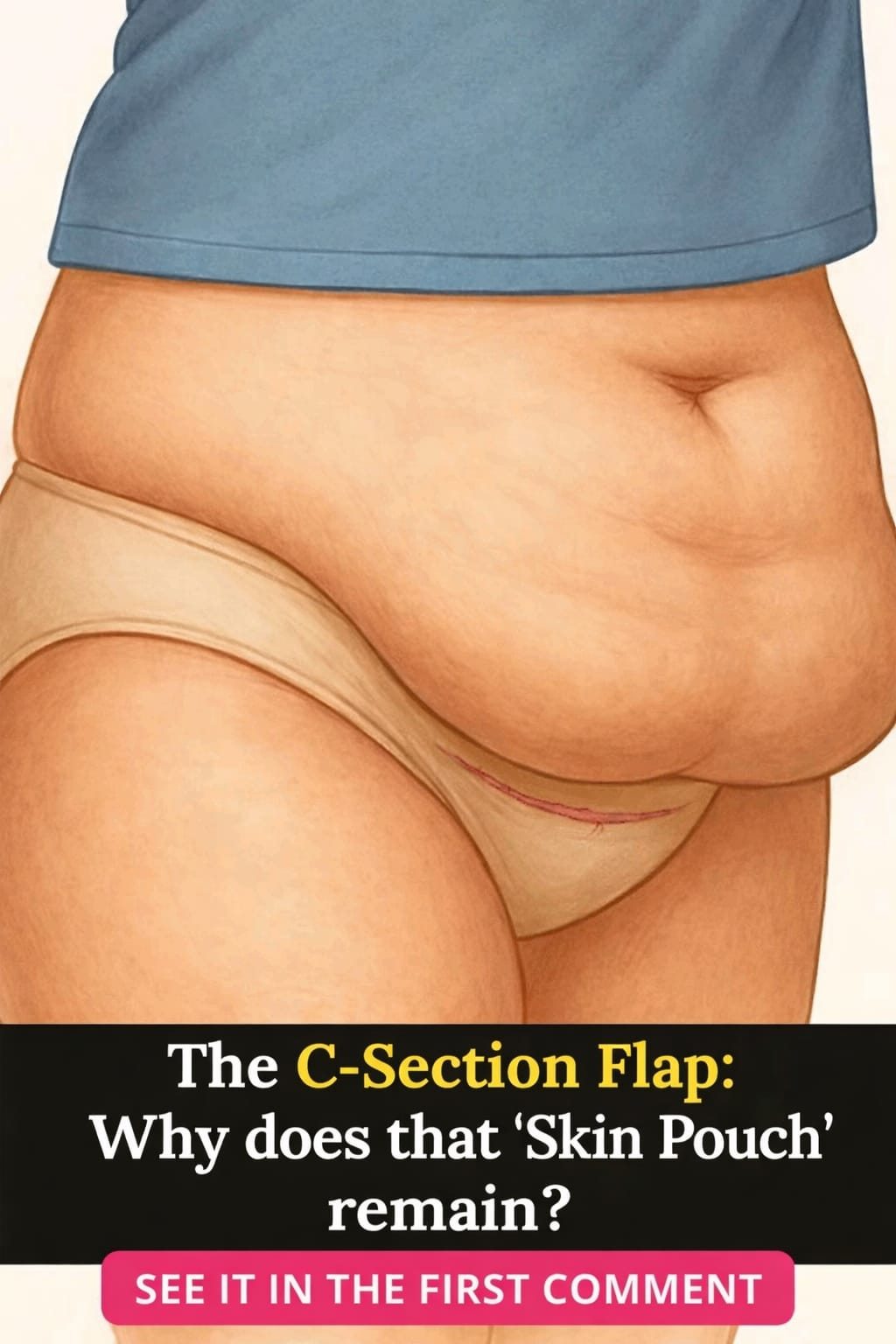
The C-section flap is often:
- A normal result of pregnancy and surgery
- A combination of skin, fat, and muscle changes
- Not dangerous in most cases
It does NOT mean something went wrong.
🏃♀️ Can it improve over time?
Yes—in many cases, it can reduce or become less noticeable with time and care.
Helpful approaches may include:
- Gentle core rehabilitation exercises (when medically cleared)
- Gradual physical activity
- Balanced nutrition
- Maintaining a stable, healthy weight
- Postpartum physiotherapy for diastasis recti
👉 However, results vary depending on genetics, number of pregnancies, and skin elasticity.
🧑⚕️ When to consult a doctor
It is a good idea to seek medical advice if you notice:
- Pain in the area
- A hard or growing lump under the scar
- Signs of infection (redness, warmth, discharge)
- Significant discomfort during movement
These symptoms are not typical of a simple skin fold.
🌿 Emotional side: why this matters more than appearance
Many women feel concerned about this change in their body, especially because of social pressure around post-pregnancy appearance.
But it is important to remember:
👉 This body change reflects pregnancy, birth, and healing
👉 It is extremely common after C-sections
👉 It does not define health, beauty, or strength
🌸 Final Thoughts
The so-called “C-section flap” is usually the result of natural skin stretching, muscle changes, fat redistribution, and surgical healing after childbirth.
It is not a disease or complication in most cases—just a visible reminder of what the body has gone through.
The key takeaways are:
✔ It is common and normal after C-section
✔ It results from multiple natural physical changes
✔ It can improve with time, care, and exercise
✔ It does not affect overall health in most cases
A C-section is major surgery and childbirth is a major life event. The body changes that follow are part of a natural healing journey—not something to fear or shame.