 Skip to content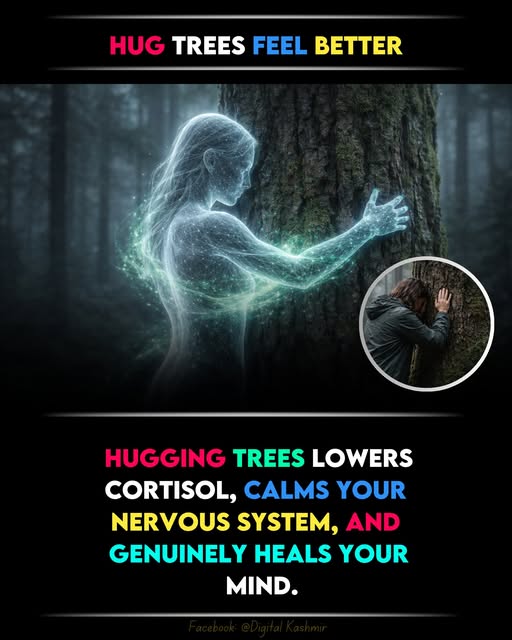
Modern life overloads the brain with:
- Screens
- Notifications
- Noise
- Rapid decision-making
This creates what psychologists call attention fatigue, where the brain becomes mentally exhausted from constant stimulation.
Natural environments provide:
- Soft visual patterns (leaves, branches, water movement)
- Gentle sounds (wind, birds, rustling)
- Lower cognitive demand
This allows the brain’s attention systems to “recover.”
🌍 6. The Biophilia Effect Explained
The biophilia hypothesis suggests humans are biologically inclined to seek connection with nature.
This may explain why:
- Walking in a park feels refreshing
- Watching trees or water feels calming
- Green spaces improve mood in cities
- People feel mentally “lighter” outdoors
It is not mystical—it is a deeply rooted psychological response.
🌿 7. Does Hugging a Tree Have Unique Healing Powers?
This is where we need to be careful with exaggeration.
There is no scientific evidence that hugging a tree directly:
- Changes brain chemistry in a unique way
- Treats mental illness
- Provides special energy or healing properties
However, the combination of effects—nature exposure, mindfulness, touch, and relaxation—can create a calming experience.
So the benefit comes from the context, not the tree itself.
⚠️ 8. What It Does NOT Do