 Skip to content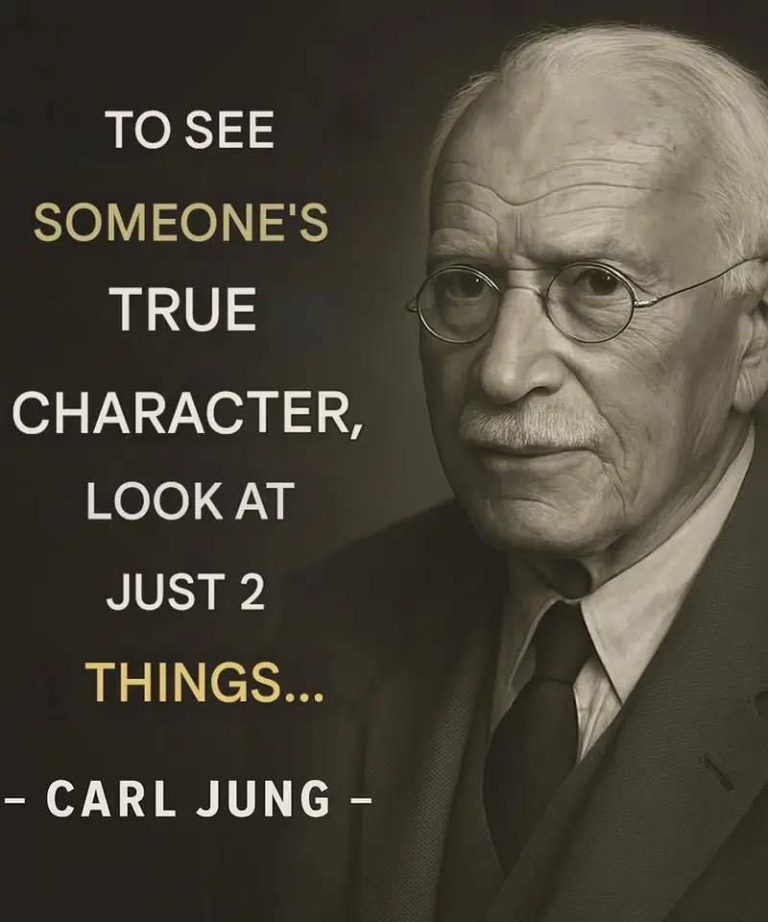
Understanding a person’s true character is something many people try to do too quickly—based on words, first impressions, or emotional moments. But psychology and human behavior research consistently show something very different:
👉 True character is NOT revealed in what people say during good times
👉 It is revealed in patterns of behavior under specific conditions
Instead of analyzing dozens of traits, you can often get a surprisingly accurate sense of someone’s character by observing just two key areas of behavior.
Let’s break them down clearly and realistically.
🧠 1. How they treat people who cannot benefit them
One of the strongest indicators of character is how someone behaves when there is no reward, status gain, or advantage involved.
This includes how they treat:
- waiters or service workers
- strangers
- junior employees
- people who cannot help their career or social image
🌟 Why this reveals truth:
When there is nothing to gain, behavior becomes more authentic. There is no reason to “perform.”
A person with strong character will:
- show respect regardless of status
- remain polite even when frustrated
- treat others consistently, not selectively
A person with weaker character may:
- be kind only when it benefits them
- act differently depending on social status
- show impatience or disrespect to those they perceive as “lower importance”
👉 This doesn’t require long observation—just attention to consistency in everyday interactions.
⚖️ 2. How they behave when they have power or control
The second major indicator is how someone behaves when they have authority, influence, or emotional control in a situation.
This could be:
- in leadership roles
- during conflict or disagreement
- when they are “right” and the other person is wrong
- in moments where they are not being challenged
🧠 Why this matters:
Power often reveals emotional regulation. It exposes whether a person uses influence responsibly or reactively.
A person with strong character will:
- stay calm in disagreements
- avoid humiliating others
- use power to solve problems, not dominate
- remain fair even when they could take advantage
A person with weaker character may:
- become controlling or aggressive
- use authority to intimidate
- prioritize “winning” over fairness
- lack empathy when they are in control
👉 Power does not change character—it amplifies what is already there.
🧩 Why these two observations are so powerful
Most people judge character based on:
- charm
- intelligence
- appearance
- verbal confidence
But these are often surface-level traits.
In contrast, the two behaviors above reveal:
- consistency
- empathy
- emotional maturity
- ethical boundaries
That’s why they are so reliable—they show what happens when social pressure is low or when control is high.
🧠 The psychology behind it
Human behavior changes depending on perceived reward and accountability.
Psychologists often describe two key states:
1. Low-stakes situations
When there is nothing to gain → real personality appears
2. High-power situations
When control is present → moral values are tested
👉 Character is essentially the balance between these two states.
⚠️ Important reality check