 Skip to content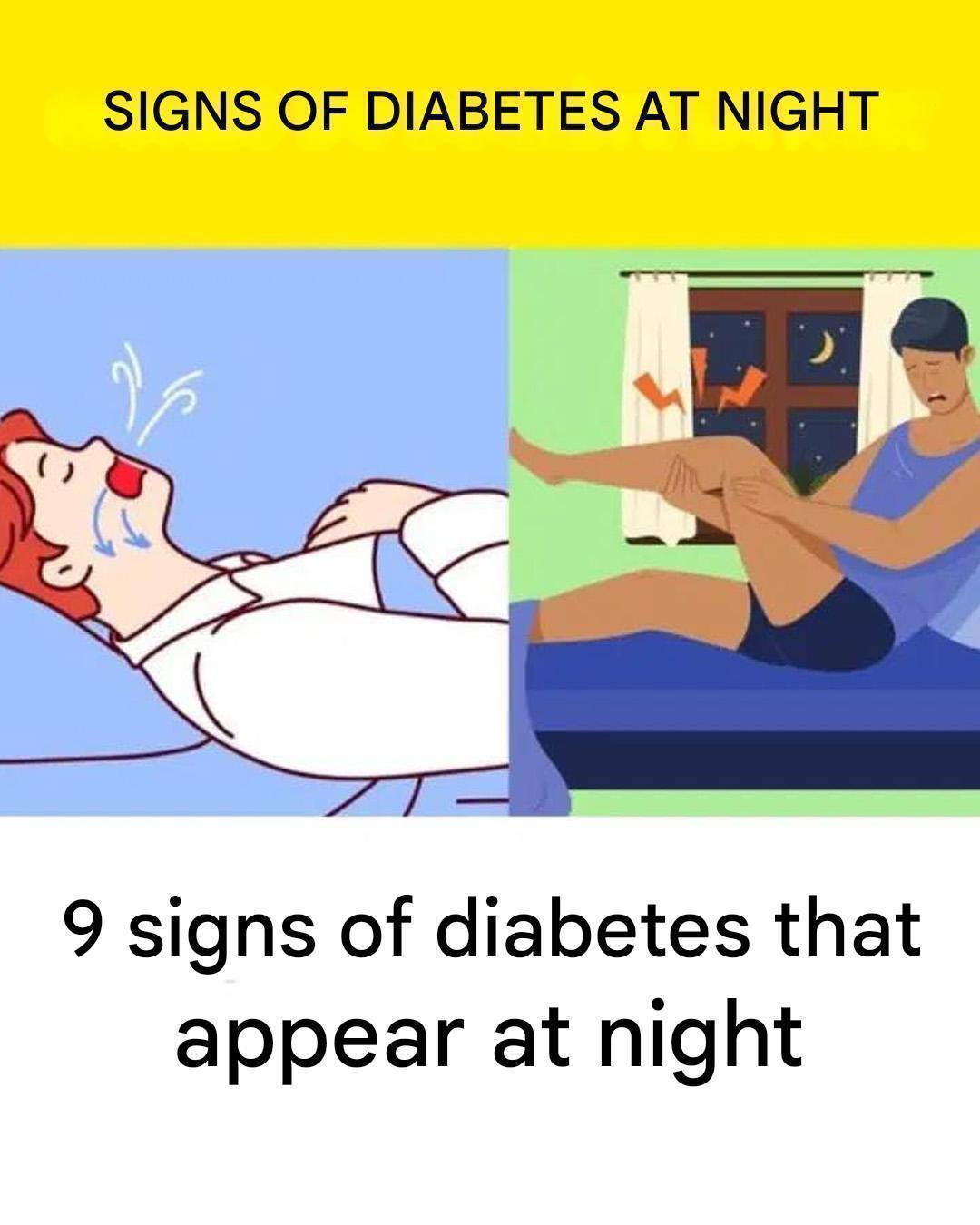
Certain individuals are more likely to experience these nighttime symptoms, including:
- People with a family history of diabetes
- Individuals who are overweight
- Those with high blood pressure or high cholesterol
- People with sedentary lifestyles
- Adults over the age of 40
If multiple symptoms appear together, it becomes even more important to monitor blood sugar levels.
What You Should Do If You Notice These Signs
If you recognize several of these nighttime symptoms regularly, it is important to take action early. Simple steps include:
- Getting a blood sugar test from a healthcare professional
- Improving diet by reducing sugar and refined carbohydrates
- Increasing physical activity
- Staying hydrated throughout the day
- Maintaining a consistent sleep schedule
Early detection and lifestyle changes can significantly improve blood sugar control and overall health.
Final Thoughts
Diabetes does not always announce itself loudly. In many cases, it begins with subtle nighttime symptoms that are easy to ignore or misunderstand. Frequent urination, night thirst, sweating, restless sleep, and fatigue are all signals that the body may be struggling with blood sugar balance.
Paying attention to these early warning signs can lead to faster diagnosis, better management, and prevention of serious complications.
Good health often begins with awareness—and in the case of diabetes, the night may be revealing more than you think.