 Skip to content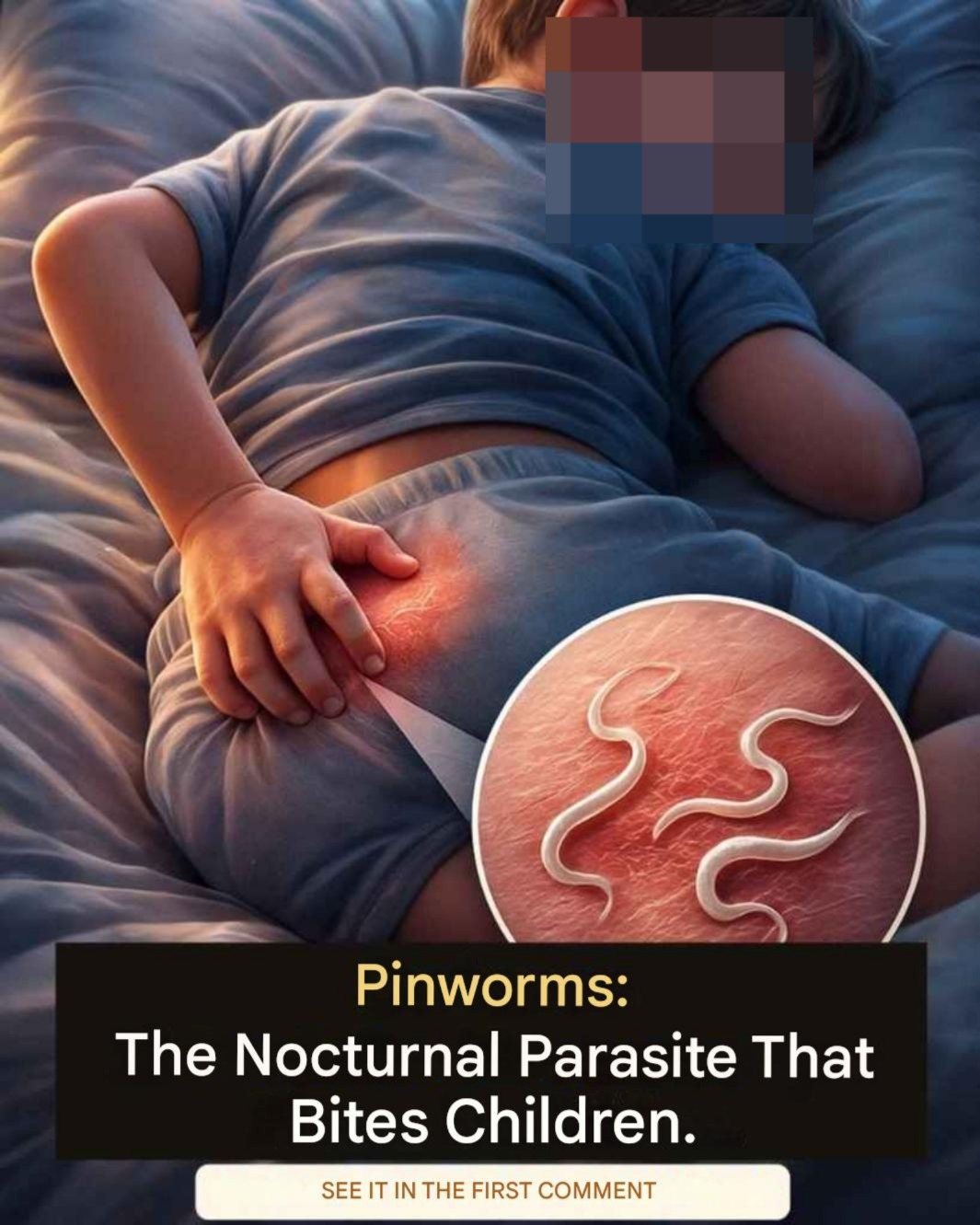
Pinworm infections are usually treated with medication prescribed by a healthcare professional.
Common medications include:
- Mebendazole
- Albendazole
These medicines:
- Kill the worms
- May require a second dose after a short period
- Are often given to all household members to prevent reinfection
⚠️ Always follow medical advice for proper dosage and timing.
🧼 Hygiene Tips to Prevent Spread
Along with medication, hygiene is essential:
✔️ Wash hands frequently
Especially after using the bathroom and before eating.
✔️ Keep nails short
Reduces the chance of eggs collecting under nails.
✔️ Change underwear daily
Use clean clothes each day.
✔️ Wash bedding regularly
Use hot water to remove eggs.
✔️ Avoid scratching
Encourage children to keep hands away from the affected area.
🧠 Is It Dangerous?
In most cases, pinworms are:
- Mild
- Not harmful long-term
- Easily treatable
However, persistent itching can cause:
- Skin irritation
- Sleep disturbance
- Discomfort
🧒 When to See a Doctor
Consult a healthcare provider if:
- Symptoms continue after treatment
- Sleep is severely disturbed
- There is unusual pain or discomfort
- You are unsure about diagnosis
🌟 The Bottom Line
Pinworms are a common childhood condition that can cause nighttime itching due to egg-laying activity.
The infection, known as Enterobiasis, is usually mild and treatable with medications like Mebendazole or Albendazole.
💬 Final Thought
Although it may feel uncomfortable to talk about, pinworms are a normal and manageable part of childhood health.
With proper treatment and hygiene…
👉 your child can sleep peacefully again very soon 🛏️👶