 Skip to content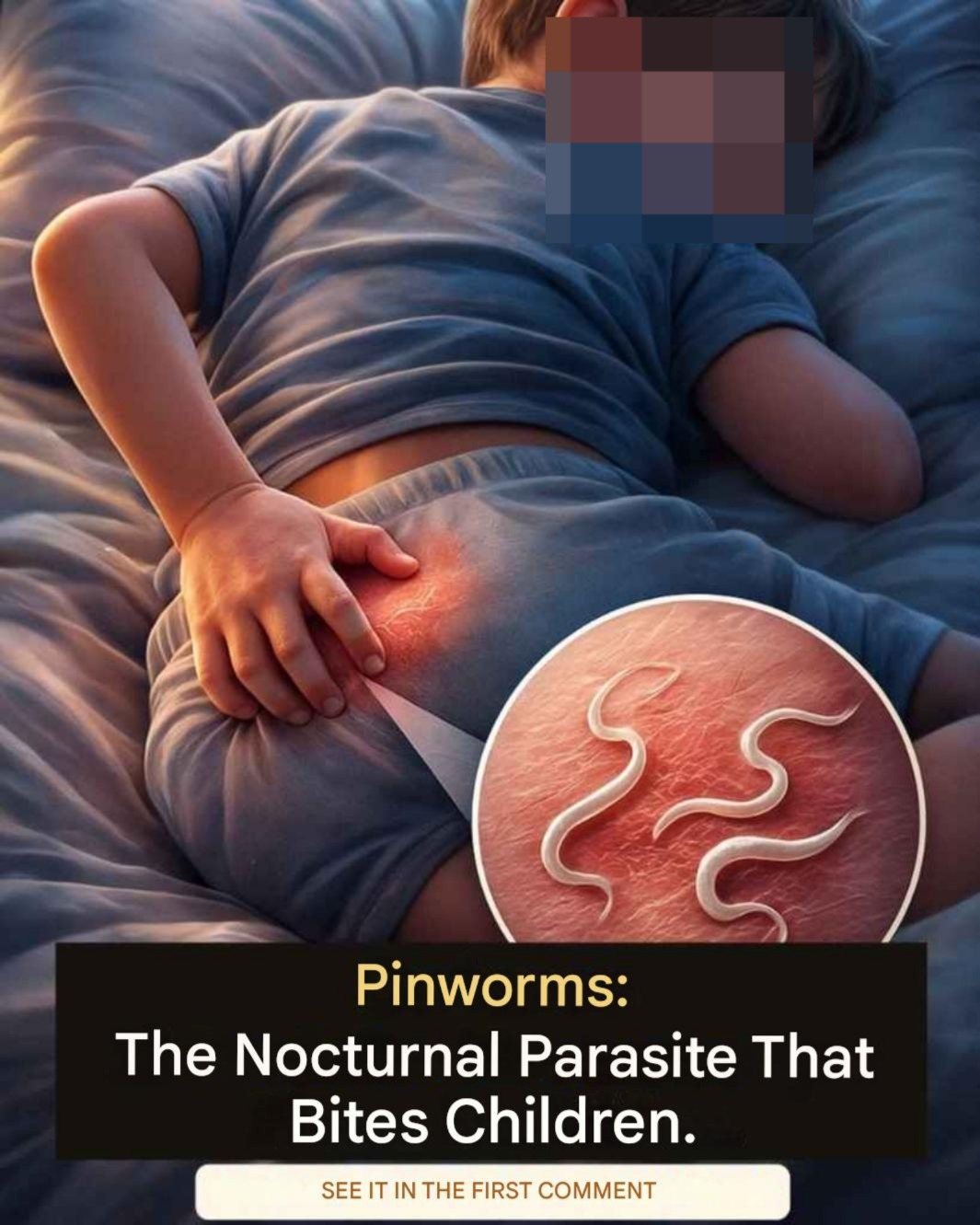
If your child wakes up at night scratching, feeling uncomfortable, or restless, it can be worrying. One common but often misunderstood cause is pinworms—a condition that affects many children worldwide.
While it may sound alarming, pinworm infection is usually not dangerous and can be treated effectively with proper care.
Let’s explain clearly what it is, why it causes itching at night, and what parents should know.
🧠 What Are Pinworms?
Pinworms are tiny parasitic worms that live in the intestines. The infection is medically known as Enterobiasis.
These worms are:
- Small and thin (like white threads)
- Common in school-aged children
- Easily spread in group environments
🌙 Why Does Itching Happen at Night?
The most noticeable symptom of pinworms is intense itching around the anal area—especially at night.
Here’s why:
🐛 Female worms lay eggs at night
When the child is asleep, female pinworms move out of the intestine to lay eggs around the skin near the anus.
⚡ This causes irritation
The movement of the worms and the presence of eggs irritate the skin, leading to itching.
🧠 The child becomes restless
This itching can:
- Disturb sleep
- Cause frequent waking
- Lead to scratching
👉 Nighttime itching is the most classic sign of pinworms.
⚠️ Common Symptoms in Children
Besides nighttime itching, other signs may include:
- Restlessness during sleep
- Irritability or mood changes
- Difficulty concentrating during the day
- Occasional stomach discomfort
- Visible tiny white worms near the anal area
Some children may have no obvious symptoms at all.
🧼 How Do Children Get Pinworms?
Pinworms spread very easily through contact.
Common ways include:
🤲 1. Hand-to-mouth transmission
Children may touch contaminated surfaces and then put their hands in their mouth.
🧸 2. Shared items
Toys, bedding, clothing, or towels can carry microscopic eggs.
🏫 3. Close contact environments
Schools and daycare centers make it easier for infections to spread.
🔁 The Reinfection Cycle
Pinworms often persist because of reinfection:
- Child scratches the itchy area
- Eggs stick to fingers and under nails
- Eggs spread to surfaces or go back into the mouth
- Cycle continues
👉 This is why hygiene is very important during treatment.
🩺 How Is It Treated?