 Skip to content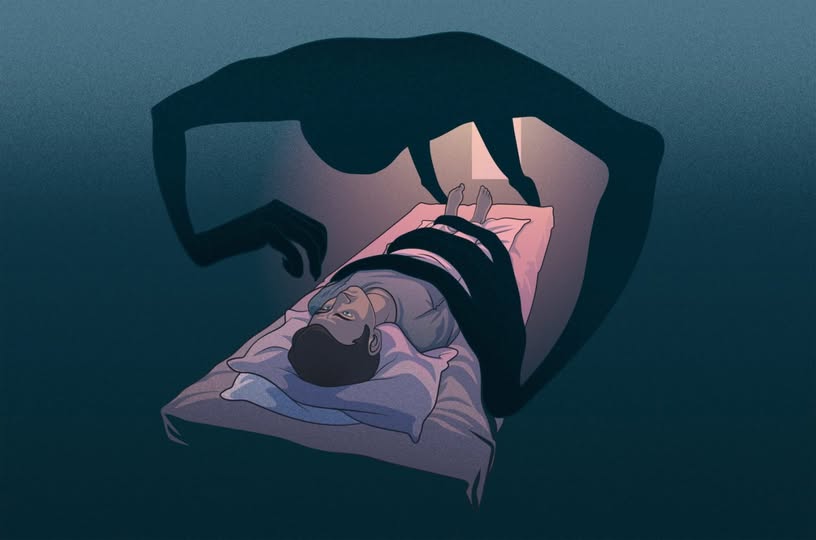
Sleep paralysis may feel scary, but medically:
- It is not harmful
- It does not cause physical damage
- It is usually temporary
- It does not indicate mental illness
Most episodes last from a few seconds to a couple of minutes.
🛡️ How to reduce episodes naturally
Improving sleep habits can significantly reduce occurrences:
✔ Maintain a consistent sleep schedule
✔ Sleep 7–9 hours regularly
✔ Reduce stress through relaxation techniques
✔ Avoid caffeine late in the day
✔ Create a calm sleeping environment
✔ Try side-sleeping instead of lying on the back
🧠 What to do during an episode
If it happens:
- Focus on slow breathing
- Remind yourself it will pass quickly
- Try small movements (fingers or toes)
- Avoid panic (panic can make it feel worse)
Understanding the condition often reduces fear dramatically.
💡 Final thought
Nocturnal immobility, or sleep paralysis, is one of the most mysterious yet scientifically understood sleep experiences. While it can feel frightening in the moment, it is simply a temporary mismatch between the brain waking up and the body still being in REM sleep mode.
With better sleep habits and awareness, most people can reduce or even eliminate episodes.
In the end, it is not the body “refusing to obey”—it is the brain waking up slightly out of sync with its natural sleep cycle. 🌙🧠✨