 Skip to content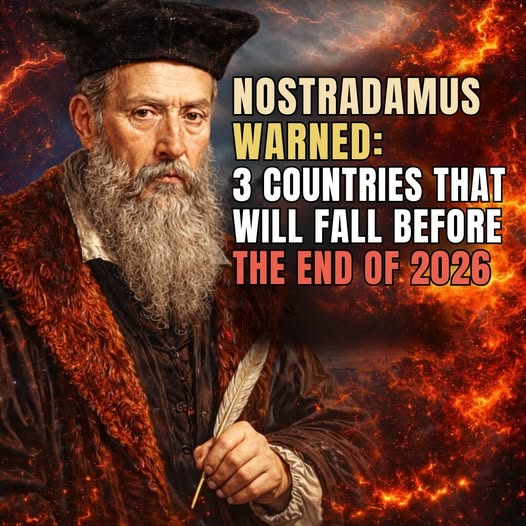
Experts in literature and history explain that his writings are:
📜 1. Deliberately vague
He used symbolism and coded language to avoid political persecution.
🧠 2. Open to interpretation
Different readers can find different meanings in the same text.
🔄 3. Influenced by hindsight bias
People often connect predictions to events after they happen.
🧠 What historians actually say
Most historians agree:
- Nostradamus was not a precise prophet
- His texts reflect 16th-century fears and beliefs
- Interpretations change depending on the era
There is no verified method showing his writings accurately predict future events in a consistent way.
⚖️ Why people still believe in his predictions
Interest in Nostradamus remains strong because:
- Humans naturally look for patterns
- Uncertainty makes symbolic predictions appealing
- Media and culture often reinterpret his writings
In times of global change, people often revisit historical “prophecies” for meaning or reassurance.
💡 Final thought
Nostradamus remains one of history’s most fascinating figures—not because his predictions are proven accurate, but because his symbolic writing continues to inspire interpretation.
The three major themes people often connect to his work today—global conflict, natural disasters, and technological change—are not confirmed forecasts, but reflections of how humans interpret uncertainty.
In the end, Nostradamus tells us more about human imagination and the desire to understand the future than about the future itself. 🔮✨