 Skip to content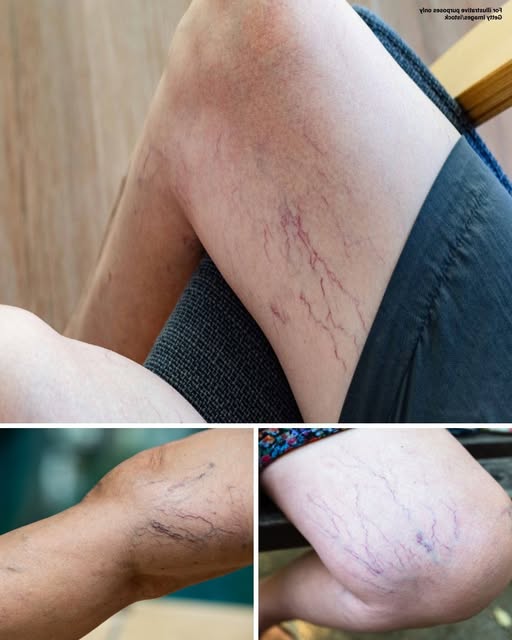
Seeing purple, blue, or visible veins on your legs can be surprising—and social media often turns it into dramatic claims like “it means something dangerous” or “it reveals your health status.” The truth is more practical and medical.
👉 In most cases, visible purple veins are not a mystery sign—they are usually related to normal vein visibility or circulation issues.
Let’s break it down clearly.
🧠 First: Why veins look purple or blue
Veins carry blood back to the heart. They often appear:
- Blue
- Purple
- Greenish
This is because of how light passes through skin—not because the blood is actually blue.
👉 It’s completely normal for veins to appear more visible in some people.
🦵 Common harmless reasons for visible veins
🧬 1. Thin or fair skin
People with lighter or thinner skin often see veins more clearly.
🏃♀️ 2. Exercise or physical activity
After activity:
- Blood flow increases
- Veins expand temporarily
- They become more visible
🌡️ 3. Hot weather
Heat causes veins to expand, making them stand out more.
🧍♀️ 4. Standing or sitting for long periods
Gravity increases pressure in leg veins, making them more noticeable.
⚠️ When purple veins may indicate a health issue
Sometimes visible veins are linked to vein circulation problems, especially if accompanied by symptoms.
🩸 1. Varicose veins
Signs:
- Bulging, twisted veins
- Heaviness in legs
- Pain or discomfort
👉 This happens when vein valves weaken and blood pools in the legs.
🕸️ 2. Spider veins
Signs:
- Small purple or red web-like veins
- Usually near the skin surface
👉 Often cosmetic but can indicate mild circulation issues.
🦵 3. Poor circulation
Possible symptoms:
- Swelling in legs
- Cold feet
- Fatigue or heaviness