 Skip to content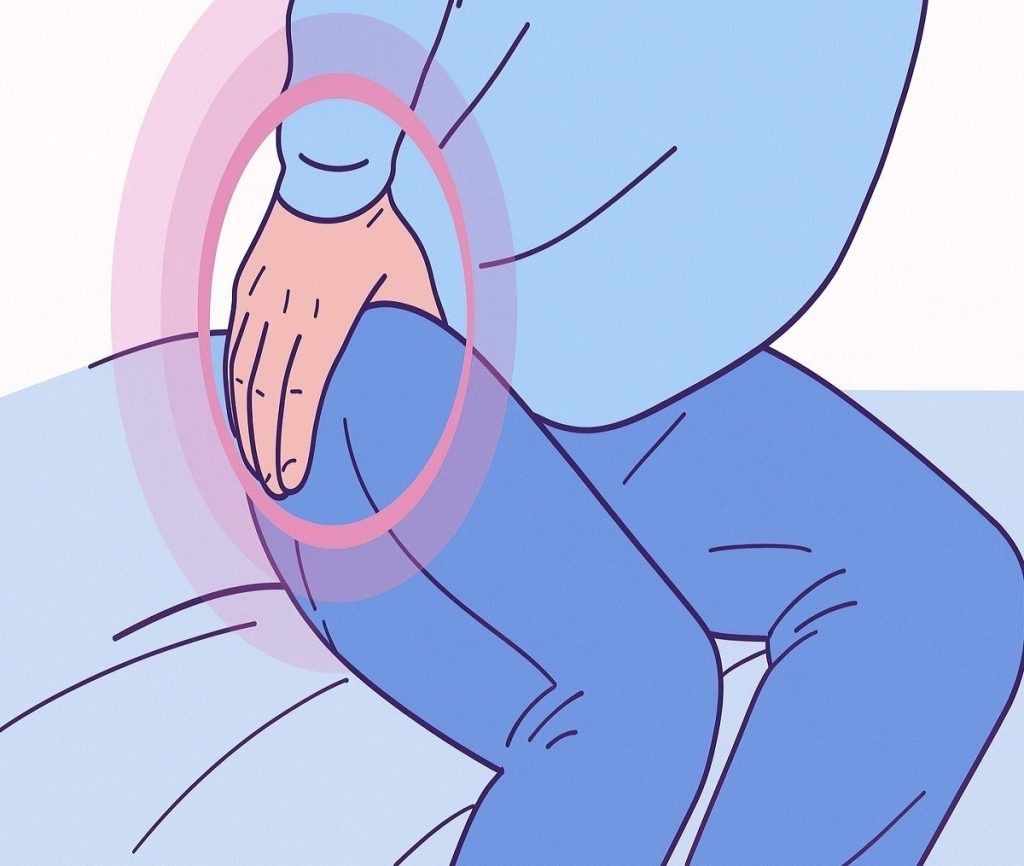
Hip pain is something many people ignore at first. It starts as a mild discomfort when walking, sitting, or standing up, and slowly becomes something you “get used to.” But here’s the truth: hip pain is never something your body produces randomly. It is often a signal—sometimes subtle, sometimes strong—that something in your lifestyle, posture, joints, or muscles needs attention.
The important part is not to panic, but to understand what your body might be trying to communicate. Hip pain can have multiple causes, and identifying them early can help you maintain mobility, comfort, and long-term joint health.
Let’s break down what hip pain could really mean and why it should never be ignored.
🧠 1. Your Joints Might Be Experiencing Wear and Tear
One of the most common reasons for hip pain is the gradual wear of the hip joint over time. The hip is a “ball-and-socket” joint that supports your body weight every day—when you walk, run, sit, or climb stairs.
Over time, the cartilage that cushions the joint can become thinner, leading to stiffness and discomfort. This is often associated with aging, but it can also happen earlier due to lifestyle, repetitive strain, or previous injuries.
When this happens, you may notice:
- Morning stiffness in the hip
- Pain after long periods of activity
- Reduced flexibility
This doesn’t mean something is seriously wrong right away, but it does mean your joint health deserves attention.
🪑 2. Poor Posture or Sitting Habits Could Be the Real Cause
In today’s world, many people spend hours sitting—at desks, in cars, or on couches. Over time, this can put uneven pressure on the hips and surrounding muscles.
Sitting incorrectly or too long may cause:
- Tight hip flexor muscles
- Weak glutes (butt muscles)
- Imbalanced pressure on the pelvic area
Even something as simple as crossing your legs for long periods or sitting without back support can slowly contribute to hip discomfort.
If your hip pain gets worse after long sitting sessions but improves when you move, posture may be a key factor.
⚡ 3. It Could Be Related to Sciatic Nerve Irritation