 Skip to content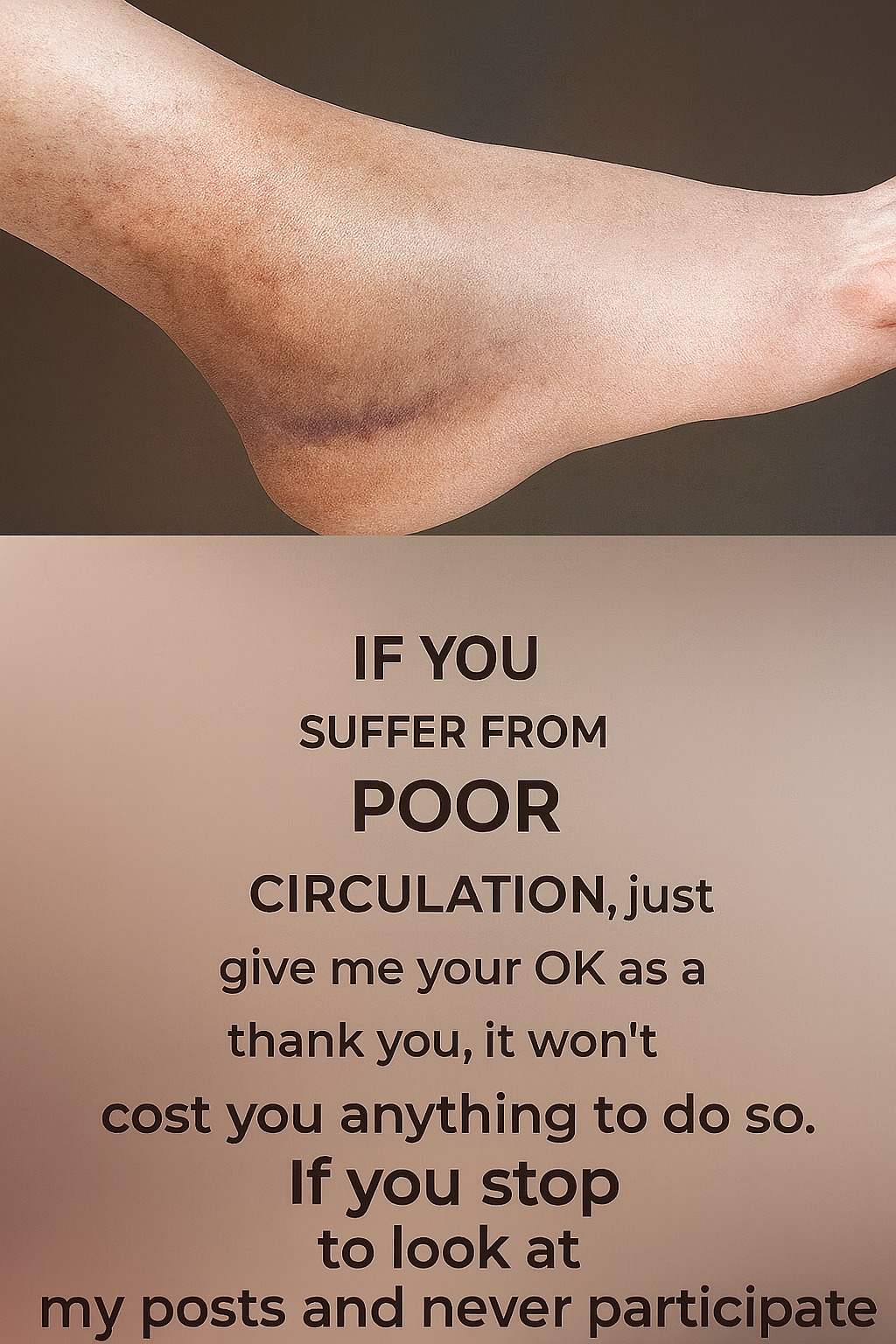
Feeling heaviness, coldness, tingling, or pain in your legs is more common than many people think—and in many cases, it can be linked to poor blood circulation. While occasional discomfort isn’t always serious, ongoing symptoms may indicate that your body is struggling to efficiently deliver oxygen-rich blood to your lower limbs.
The good news is that in many cases, circulation can be improved through simple lifestyle changes, awareness, and healthy habits. Let’s break it down clearly so you understand what your body might be telling you—and what you can do about it.
🩸 1️⃣ What Poor Circulation in the Legs Feels Like
Poor circulation happens when blood flow is restricted or slowed, especially in the lower body. Common symptoms include:
- Cold feet or legs, even in warm environments
- Tingling or “pins and needles” sensation
- Numbness in the legs or feet
- Swelling in the ankles or lower legs
- Muscle cramps, especially at night
- Fatigue or heaviness when walking
These symptoms can vary depending on the cause and severity, but they often signal that the vascular system needs attention.
⚠️ 2️⃣ Common Causes of Poor Leg Circulation
Several factors can contribute to reduced blood flow, including:
- Sitting or standing for long periods
- Lack of physical activity
- Smoking, which damages blood vessels
- High blood pressure or cholesterol
- Diabetes, which affects blood vessel health
- Obesity or excess weight pressure on veins
- Aging, which naturally slows circulation
Understanding the cause is the first step toward improving the condition.
🧠 3️⃣ Why Circulation Matters for Your Health
Good circulation is essential because blood carries:
- Oxygen
- Nutrients
- Hormones
- Waste removal support
When circulation is weak, your body may struggle with:
- Slower healing
- Muscle weakness
- Increased risk of vein problems
- Fatigue and low energy
Healthy blood flow is key to overall vitality and mobility.
🚶♂️ 4️⃣ Simple Daily Habits to Improve Circulation