 Skip to content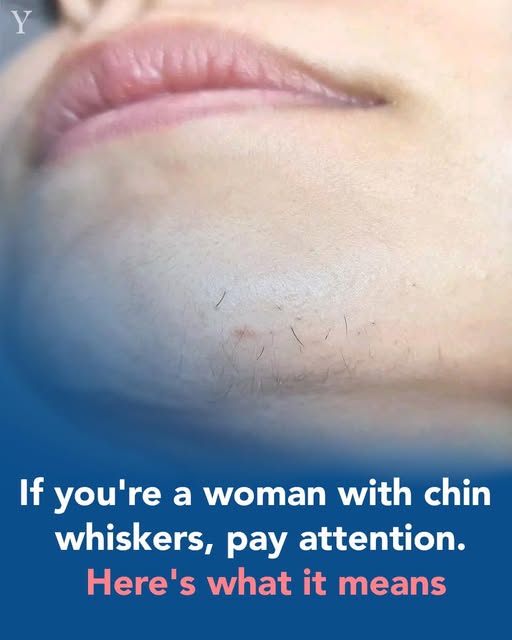
Noticing a few chin whiskers as a woman can feel surprising or even worrying—but in most cases, it’s completely normal. Facial hair growth is influenced by hormones, genetics, age, and sometimes underlying health conditions.
While a few stray hairs are usually harmless, changes in chin hair growth patterns can sometimes offer clues about what’s happening inside your body. Let’s break down what chin whiskers might be telling you about your health.
1️⃣ Hormonal Changes (The Most Common Cause)
Chin whiskers are often linked to androgens, which are male hormones present in both men and women. When these hormones fluctuate or become slightly elevated, facial hair can become more noticeable.
Common triggers include:
- Puberty
- Pregnancy and postpartum changes
- Menopause
During these stages, hormone levels naturally shift, which can lead to a few extra chin hairs. In most cases, this is normal and not dangerous.
2️⃣ Polycystic Ovary Syndrome (PCOS)
One of the more well-known medical causes of increased facial hair is Polycystic Ovary Syndrome (PCOS).
PCOS can cause:
- Irregular menstrual cycles
- Acne or oily skin
- Weight changes
- Increased facial or body hair (hirsutism)
If chin whiskers appear along with other symptoms, it may be worth speaking with a healthcare professional for evaluation. Early diagnosis helps with better management.
3️⃣ Genetics and Family Traits
Sometimes, chin whiskers are simply inherited. If your mother, grandmother, or other female relatives have similar hair growth patterns, genetics may be the main reason.
In this case:
- It is not linked to illness
- It tends to appear gradually with age
- It is completely harmless
4️⃣ Aging and Menopause
As women age, estrogen levels naturally decline, which can shift the balance between estrogen and androgens.
This hormonal shift may lead to: