 Skip to content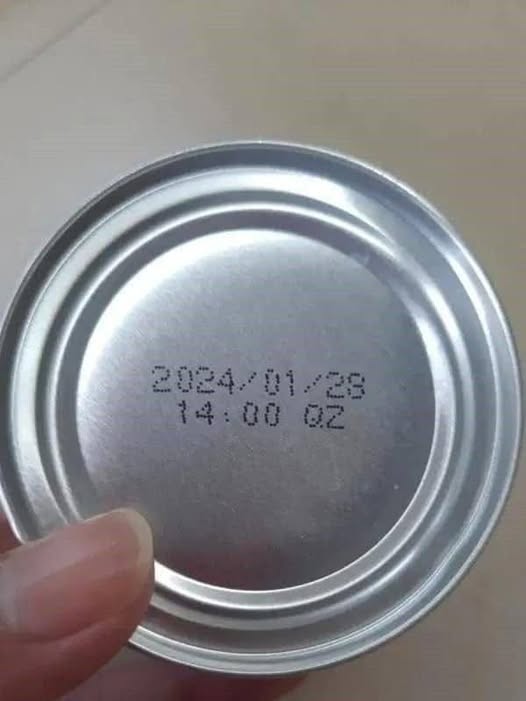
We’ve all been there: mid-cooking, you realize you’re missing an ingredient. You turn to a neighbor for help, and they hand you something… but it’s slightly past its expiration date. That happened to me recently when I needed a can of green beans. My neighbor said it was all they had. I peeked at the label and—yikes!—it was expired. I didn’t take the risk and threw it out, heading to the store instead.
That moment got me thinking: how long is expired food actually safe to eat? The answer isn’t as simple as a date printed on a can or carton. It depends on the type of food, storage conditions, and even your own risk tolerance. Here’s everything you need to know about expired food, from canned goods to frozen meals, so you can make safe, informed decisions in the kitchen.
Understanding Food Labels: Expiration Dates Explained 🕰️
Food labels often include one of three dates:
- “Best By” / “Best Before” – This indicates peak quality, not safety. Many foods are still safe to consume after this date, though taste and texture may decline.
- “Use By” – This is the most serious label. It indicates the last recommended date for safe consumption, particularly for perishable items like dairy, meat, or ready-to-eat meals.
- “Sell By” – Primarily for stores, helping them manage inventory. Foods are often safe for days or weeks beyond this date.
✅ Pro tip: Don’t rely solely on the printed date. Use your senses—look at the color, smell the food, and check the texture before deciding to eat anything past its date.
1️⃣ Canned Foods 🍲
Canned goods are some of the most forgiving items in your pantry. Their sealed containers keep bacteria out and preserve food for years, but quality can decline over time.
- High-acid foods (tomatoes, fruit, green beans): Safe for 1–2 years past the best-by date if the can isn’t bulging, rusty, or damaged.
- Low-acid foods (meat, vegetables, soups): Can last 2–5 years past the best-by date, but always check for unusual odor or appearance.
Red flags to discard:
- Bulging cans or lids
- Rust or leaks
- Foaming or strange smell upon opening
Even if safe, the taste and texture may change over time. So if you’re picky about flavor, fresh cans may be worth buying.
2️⃣ Frozen Foods ❄️
Freezing significantly extends shelf life, but it doesn’t make food indestructible.
- Vegetables: 8–12 months
- Meat: Beef and chicken 6–12 months depending on packaging
- Fish: Fatty fish like salmon 2–3 months, lean fish 6 months
Tip: Store frozen foods in airtight bags or containers to avoid freezer burn. Freezer burn affects taste, not safety, but very poor storage can reduce quality quickly.
3️⃣ Dry and Shelf-Stable Foods 🍞
Foods like pasta, rice, and cereals are surprisingly durable, sometimes lasting years past the printed date.
- Pasta: 1–2 years
- Rice: White rice 4–5 years; brown rice 6 months–1 year
- Cereal: 6–12 months
Always smell the food and check for insects or mold before use. Proper storage in cool, dry conditions prolongs safety.
4️⃣ Dairy and Eggs 🥛
Perishable foods are trickier. They can spoil quickly after the date, especially if not stored correctly.
- Milk: 5–7 days past the use-by date if unopened; 1–2 days once opened
- Yogurt: 1–3 weeks past the best-by date if unopened
- Eggs: 3–5 weeks past pack date if refrigerated; a simple float test works—fresh eggs sink, bad eggs float
Even within these ranges, always rely on smell and appearance. Off odors or discoloration mean it’s time to toss it.
5️⃣ Meat and Seafood 🍖