 Skip to content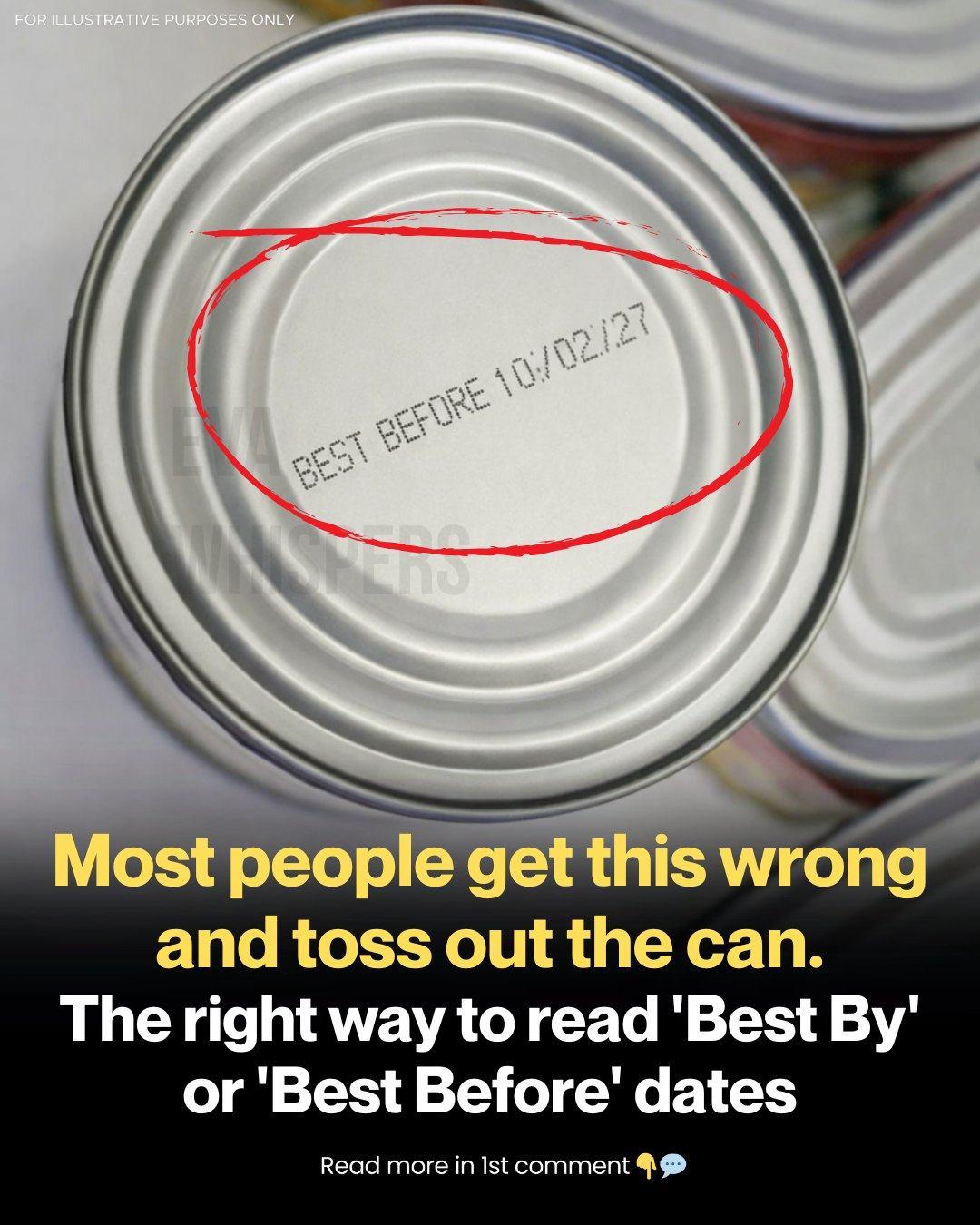
Ever grabbed a can from your pantry, checked the date, and tossed it straight into the trash thinking it had “expired”? You’re not alone. Millions of people throw away perfectly good food every day simply because they misunderstand what those dates on cans actually mean.
The truth is, those printed dates are one of the most misunderstood labels in modern kitchens—and getting them wrong can cost you money, increase food waste, and even make you unnecessarily worried about food safety.
Let’s clear up the confusion once and for all.
🧾 The Big Myth: “Expiration Date” Doesn’t Mean What You Think
Here’s the first surprise:
Most canned foods don’t actually have a true expiration date.
Instead, you’ll usually see phrases like:
- “Best By”
- “Best Before”
- “Use By”
These are quality dates—not safety deadlines.
That means the manufacturer is telling you when the product will taste its best—not when it becomes dangerous to eat.
So if you’ve been throwing away cans the moment they pass that date… you’ve probably been tossing out perfectly safe food.
🥫 Why Canned Food Lasts So Long
Canned food is designed for durability. The canning process involves sealing food in an airtight container and heating it to kill bacteria and microorganisms.
As long as the can remains:
- Properly sealed
- Undamaged
- Stored in a cool, dry place
…it can last years beyond the printed date.
In fact, many canned goods remain safe to eat long after their “best by” date—though the flavor or texture might slightly change over time.
⚠️ The Real Signs You Should Never Ignore
Instead of focusing only on the date, here’s what actually matters when deciding whether to keep or toss a can:
🚫 1. Bulging or Swollen Can
This can indicate gas buildup from bacterial growth. Don’t risk it—throw it away immediately.
🚫 2. Rust or Deep Dents
Minor dents are usually fine, but deep dents—especially near the seal—can compromise safety.
🚫 3. Leaking or Hissing When Opened
If the can sprays or leaks unexpectedly, it’s not safe to consume.
🚫 4. Strange Smell or Appearance
If the food smells off, looks discolored, or has an unusual texture, trust your senses.
👉 These signs matter far more than the printed date.
🧠 Why So Many People Get It Wrong
The confusion comes from inconsistent labeling practices. Unlike medications, food labeling isn’t always standardized.
Many people assume:
- “Best By” = expired
- “Use By” = dangerous after this date
But in reality, most of these labels are about peak quality, not safety.
This misunderstanding leads to massive food waste worldwide—and it’s completely avoidable.
💸 The Hidden Cost of Throwing Away Good Food
When you toss a can just because of the date, you’re not just losing food—you’re losing money.
Think about it:
- Pantry staples add up quickly
- Replacing items unnecessarily increases grocery bills
- Over time, small habits turn into big expenses
Learning how to properly read labels is a simple way to save money without changing what you eat.
🌍 A Bigger Impact: Reducing Food Waste
Globally, a huge percentage of food waste comes from households—not restaurants or stores.
And a major reason?
👉 Misunderstood labels.
By keeping food that’s still safe, you’re also:
- Reducing environmental waste
- Conserving resources used in food production
- Making your household more efficient
It’s a small change with a meaningful impact.
✅ The Right Way to Read a Can Label
Here’s a simple rule to remember:
👉 Date = Quality
👉 Condition = Safety
Always check the condition of the can first, and treat the date as a guideline—not a strict rule.
🥄 Bonus Tip: Store Smart for Longer Shelf Life