 Skip to content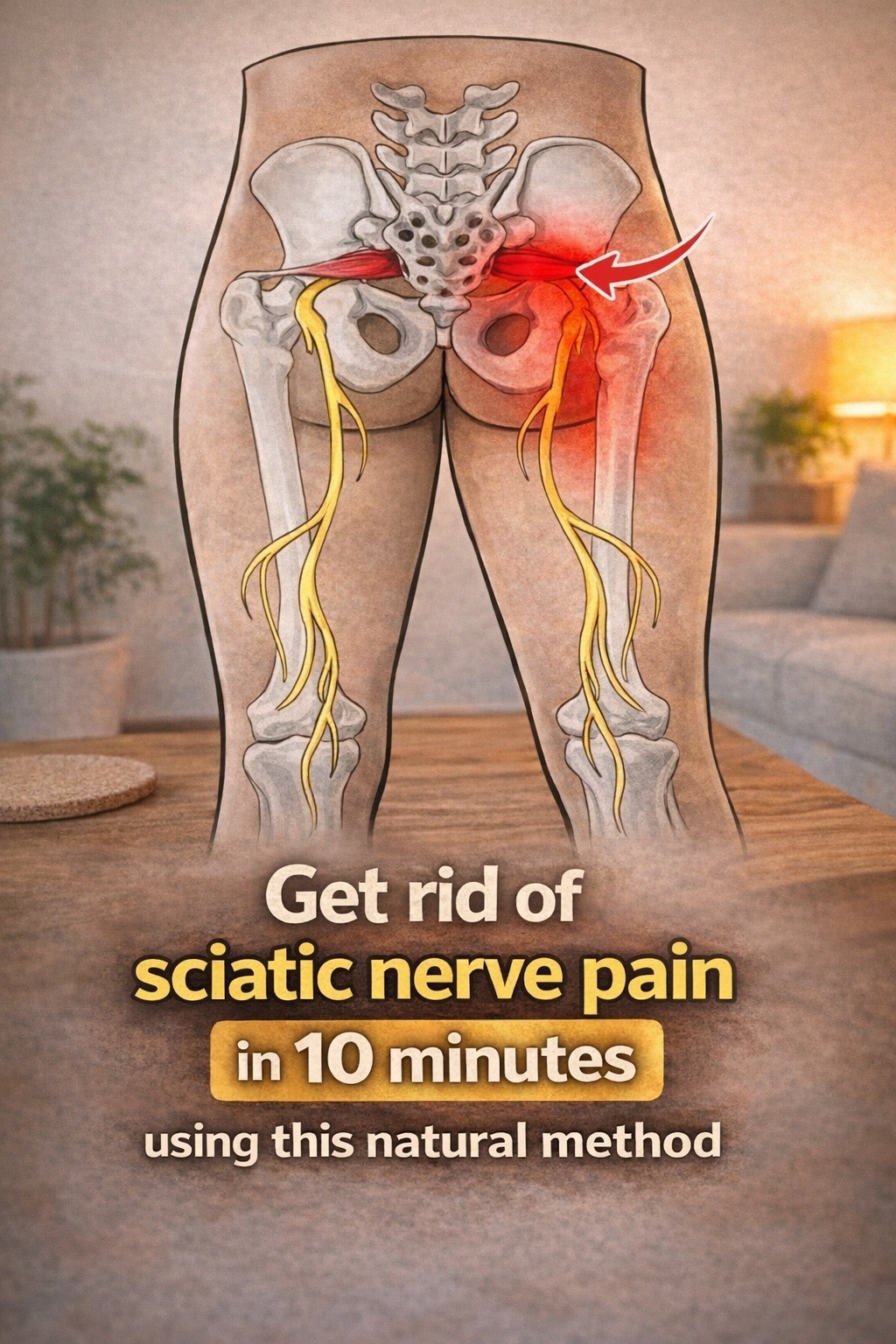
Sciatica is one of the most uncomfortable nerve-related pain conditions people experience. It can start as a mild ache in the lower back and quickly radiate down through the hip, buttock, and leg. For some people, it feels like a sharp electric shock; for others, it’s a constant burning or tingling sensation that makes sitting or walking difficult.
The good news is that in many cases, sciatica symptoms can be managed and temporarily relieved at home with gentle movement, stretching, and lifestyle adjustments.
Before going into exercises, it’s important to understand what is happening in the body.
🧠 What is sciatica?
Sciatica refers to irritation or compression of the Sciatica, the longest nerve in the human body.
This nerve runs from the lower spine through the hips and down each leg. When it becomes irritated—often due to muscle tightness, spinal pressure, or disc issues—it can cause pain that travels along its entire path.
Sciatica is not a disease itself, but a symptom of an underlying issue affecting the nerve.
⚠️ Common symptoms of sciatica
People with sciatica may experience:
- Sharp or burning pain in the lower back
- Pain radiating through the buttock and leg
- Tingling or “pins and needles” sensation
- Muscle weakness in the affected leg
- Pain that worsens when sitting for long periods
Symptoms can vary from mild discomfort to severe pain that affects daily movement.
🧘♀️ 1. Gentle seated piriformis stretch
One of the most effective muscles linked to sciatic pain is the piriformis muscle, located deep in the buttock.
How to do it:
- Sit on a chair
- Cross one leg over the other knee
- Gently lean forward while keeping your back straight
- Hold for 20–30 seconds
This helps reduce pressure around the sciatic nerve area.
🧍♂️ 2. Standing hamstring stretch
Tight hamstrings can increase pressure on the lower back.
Steps:
- Stand straight and place one foot on a low surface
- Keep the leg straight
- Slowly lean forward from the hips
- Hold for 20–30 seconds
Do not bounce—movement should be slow and controlled.
🛏️ 3. Knee-to-chest stretch (lying down)
This stretch helps relax the lower back muscles.
How to do it:
- Lie on your back
- Pull one knee gently toward your chest
- Hold for 20–30 seconds
- Switch legs
This can reduce tension in the lumbar region.
🧘♂️ 4. Spinal twist stretch
This helps improve mobility and reduce stiffness.
Steps:
- Lie on your back
- Bend both knees
- Slowly drop them to one side while keeping shoulders flat
- Hold for 20–30 seconds
- Switch sides
It helps gently rotate and relax the lower spine.
🚶♀️ 5. Light walking for nerve relief