 Skip to content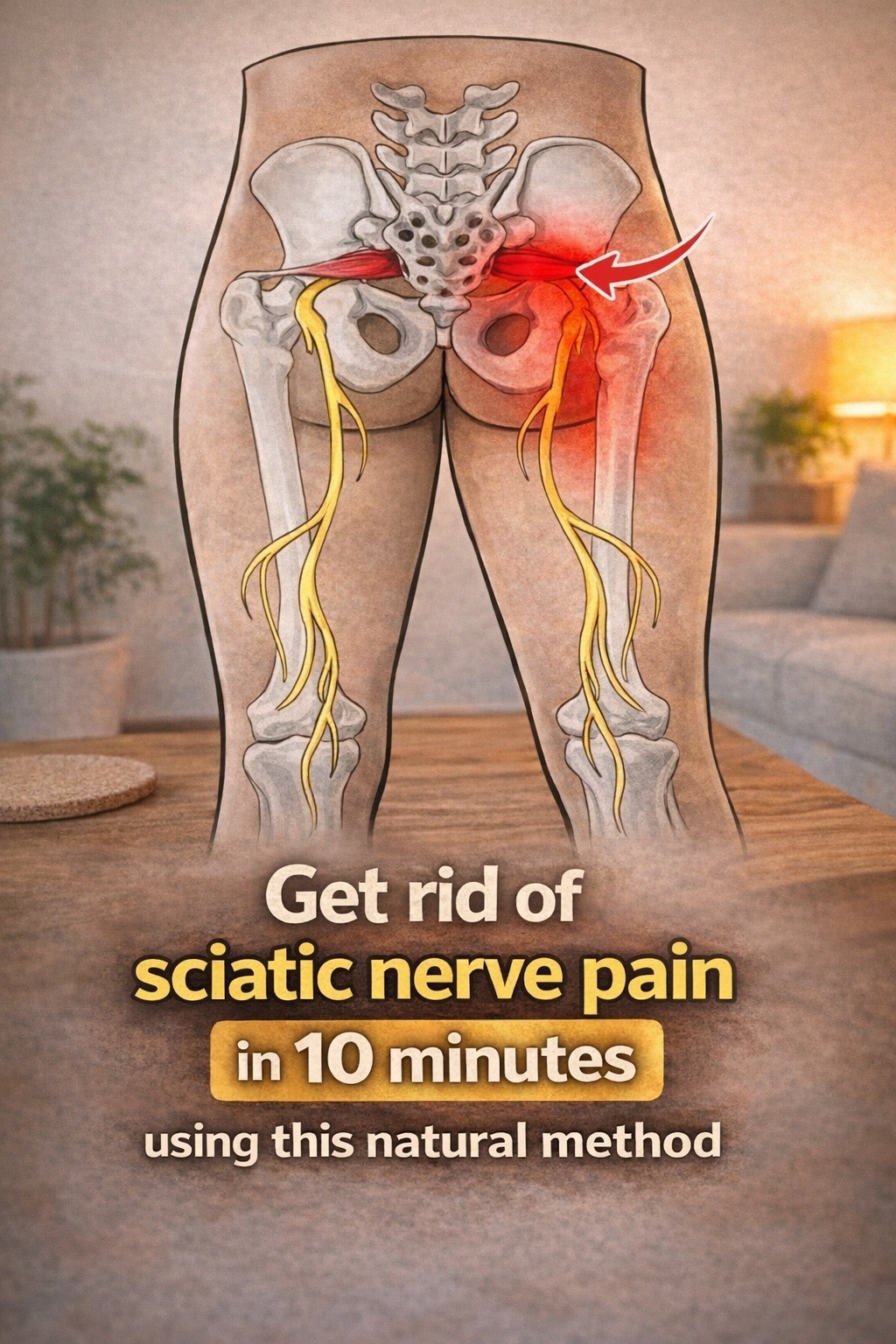
While rest is important, too much inactivity can worsen stiffness.
Short, gentle walks can:
- Improve blood flow
- Reduce muscle tightness
- Help decrease nerve compression
Even 5–10 minutes of slow walking can help.
❄️🔥 6. Cold and heat therapy
Both cold and heat can be useful depending on the stage of pain:
- Cold packs ❄️: helpful in early inflammation stages
- Heat therapy 🔥: relaxes tight muscles and improves blood flow
Alternating between them can sometimes provide better relief.
🪑 7. Improve sitting posture
Poor posture often worsens sciatica.
Tips:
- Keep feet flat on the floor
- Use a small cushion for lower back support
- Avoid slouching forward
- Take breaks every 30–45 minutes
Good posture reduces pressure on the sciatic nerve.
🛌 8. Sleep position adjustments
Sleep position can affect pain levels significantly.
Helpful positions:
- Sleeping on your side with a pillow between knees
- Sleeping on your back with a pillow under knees
These positions help reduce spinal pressure.
⚖️ 9. Avoid sudden or heavy movements
During flare-ups, avoid:
- Heavy lifting
- Twisting movements
- Sudden bending
- Long periods of sitting
Gentle movement is helpful, but strain can worsen symptoms.
🧠 Why these methods work
Sciatica pain is often caused by:
- Muscle tightness compressing the nerve
- Inflammation around nerve roots
- Poor posture or spinal pressure
Stretching and movement help:
- Reduce muscle tension
- Improve circulation
- Decrease nerve compression
- Promote natural healing response
⚠️ When to seek medical attention
While many cases improve with home care, you should seek medical advice if:
- Pain is severe or worsening
- You experience numbness or weakness in the leg
- Loss of bladder or bowel control occurs
- Pain persists for weeks without improvement
These may indicate a more serious underlying condition.
🌟 Final thoughts
Sciatica can be painful and frustrating, but in many cases, it can be managed with simple daily habits. Gentle stretching, posture correction, light movement, and temperature therapy can all help reduce discomfort and support recovery.
The key is consistency and avoiding strain while the nerve heals.