 Skip to content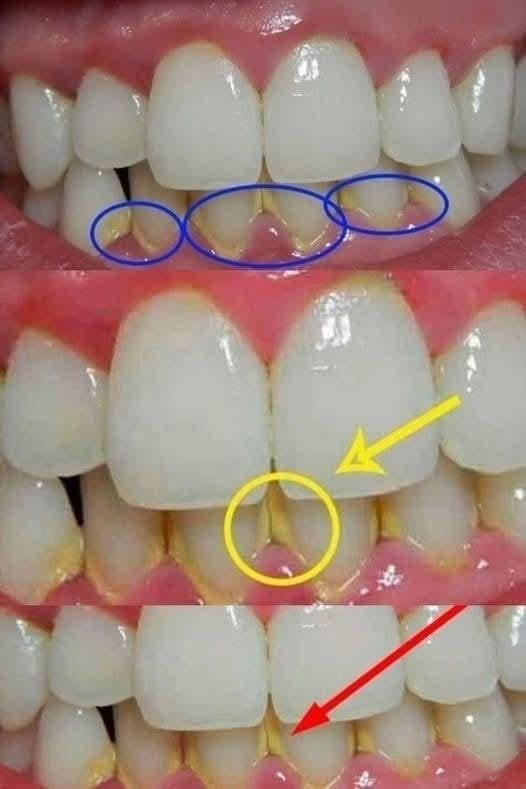
Dental plaque is something almost everyone has—but very few people fully understand it. That sticky, invisible film on your teeth might seem harmless at first, but over time it can quietly lead to bad breath, tooth decay, gum inflammation, and serious oral health problems if not managed properly.
The good news? You don’t need expensive treatments or complicated routines to control it. With the right daily habits and a little understanding of how plaque works, you can dramatically improve your oral health and protect your smile for years.
Let’s break it down in a simple, practical way.
🧬 What Is Dental Plaque?
Dental plaque is a soft, sticky layer of bacteria that constantly forms on your teeth and gums. It develops when food particles—especially sugars and starches—mix with saliva and bacteria in your mouth.
At first, plaque is:
- Colorless or pale yellow
- Soft and easy to remove
- Forming within hours after eating
The problem starts when plaque is not removed regularly. It hardens into a substance called tartar (calculus), which sticks strongly to teeth and cannot be removed with regular brushing alone.
This hardened buildup increases the risk of oral diseases such as:
- Dental caries
- Gingivitis
⚠️ Why Dental Plaque Is Dangerous
Plaque is more than just “dirt on teeth.” It contains bacteria that produce acids and toxins.
If left untreated, it can cause:
😬 1. Tooth Decay
Bacteria in plaque feed on sugars and produce acids that slowly damage tooth enamel, creating cavities.
🩸 2. Gum Inflammation
Plaque buildup near the gumline irritates the gums, leading to redness, swelling, and bleeding.
😷 3. Bad Breath
The bacteria in plaque release unpleasant-smelling compounds, causing persistent bad breath.
🦷 4. Tartar Formation
Once plaque hardens into tartar, it becomes much harder to remove and often requires professional cleaning.
🪥 How to Remove Dental Plaque Effectively
The key to controlling plaque is consistency, not complexity. Here are the most effective daily habits.
🪥 1. Brush Properly (Not Just Quickly)
Brushing is your first line of defense—but technique matters more than force.