 Skip to content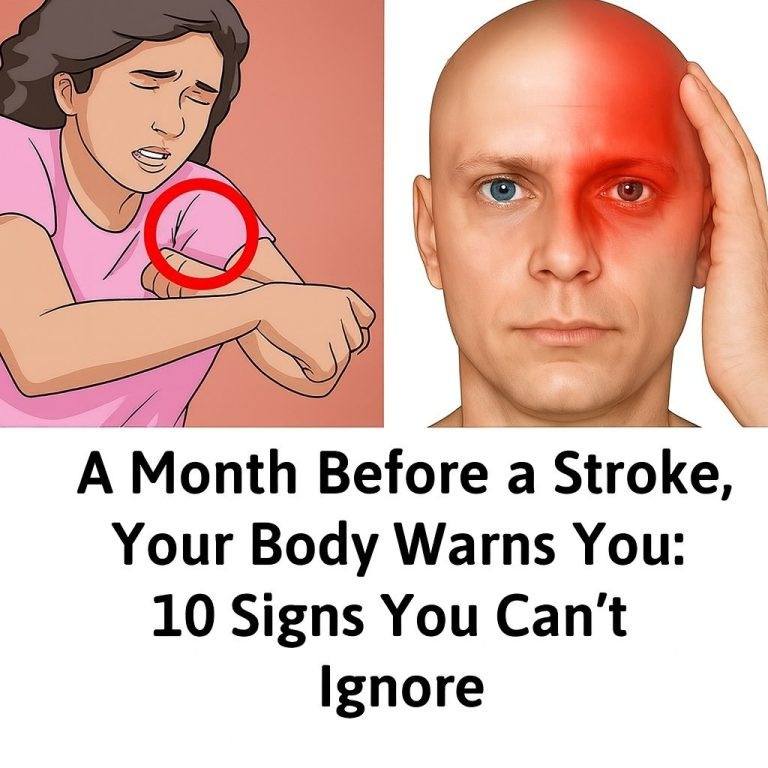
Stroke is one of the leading medical emergencies worldwide, and what makes it especially dangerous is that it can happen suddenly. However, in some cases, the body may show early warning signs days or even weeks before a stroke occurs.
These warning signals are often linked to reduced blood flow to the brain or a temporary condition called a Transient ischemic attack, sometimes known as a “mini-stroke.” While not everyone experiences early symptoms, recognizing them can be life-saving.
Understanding these signs does NOT mean you can predict a stroke with certainty—but it does mean you can act early and seek medical attention before a serious event happens.
Let’s explore the 10 warning signs you should never ignore.
🧠 What Is a Stroke?
A stroke occurs when blood flow to part of the brain is interrupted or reduced, preventing brain tissue from getting oxygen and nutrients. Within minutes, brain cells begin to die.
The most common type is an ischemic stroke, often related to blocked blood vessels, frequently influenced by conditions like Hypertension, high cholesterol, and lifestyle factors.
Because strokes affect the brain, symptoms often appear suddenly—but early warning signs can sometimes appear beforehand.
⚠️ 10 Possible Early Warning Signs Before a Stroke
These symptoms may appear alone or in combination. If you notice them, especially repeatedly, it is important to seek medical attention immediately.
1. 🧩 Sudden Numbness or Weakness
One of the most common warning signs is sudden weakness or numbness, especially on one side of the face, arm, or leg. It may feel like one part of the body “stops responding” properly.
2. 😵 Frequent Dizziness or Loss of Balance
If you experience unexplained dizziness, difficulty walking, or loss of coordination, it may indicate reduced blood flow to the brain.
3. 🗣️ Slurred Speech or Trouble Speaking
Difficulty forming words, slurred speech, or confusion while talking can be an early neurological warning sign.
4. 👁️ Vision Problems
Blurred vision, double vision, or temporary loss of sight in one or both eyes should never be ignored.
5. 🤯 Sudden Severe Headaches
A very strong headache that appears suddenly, especially without a known cause, can sometimes be linked to blood vessel problems in the brain.
6. 😶 Facial Drooping
If one side of the face begins to droop or feels weak, it may indicate nerve and muscle control issues related to brain circulation.
7. 🧠 Memory Confusion or Difficulty Thinking
Sudden confusion, trouble understanding simple things, or memory lapses may signal reduced oxygen supply to the brain.
8. 💤 Extreme Fatigue Without Reason
Unusual tiredness or feeling drained even without physical effort may be a subtle warning sign of underlying circulation issues.
9. 🫀 Irregular Heartbeat or Chest Discomfort
Heart and brain health are closely connected. Irregular heartbeat or cardiovascular problems can increase stroke risk and sometimes produce early warning symptoms.
10. 📉 Temporary Stroke-Like Episodes (Mini Symptoms)
Short episodes of stroke-like symptoms that disappear after minutes or hours may be caused by a Transient ischemic attack (TIA). These are extremely important warning signals that should NEVER be ignored.
🚨 Why These Signs Matter
The dangerous part about stroke is that it often escalates quickly. Early warning signs may appear briefly and then disappear, leading people to ignore them.
However, even if symptoms go away, they may indicate that a full stroke could happen soon.
That is why medical experts consider a Transient ischemic attack (TIA) a serious warning, not a minor issue.
🧬 Who Is at Higher Risk?
Certain factors increase stroke risk, including:
- High blood pressure (Hypertension)
- Diabetes
- Smoking
- Obesity
- High cholesterol
- Lack of physical activity
- Chronic stress
- Family history of stroke
Lifestyle plays a major role in prevention.
🛡️ What You Should Do If You Notice These Signs