 Skip to content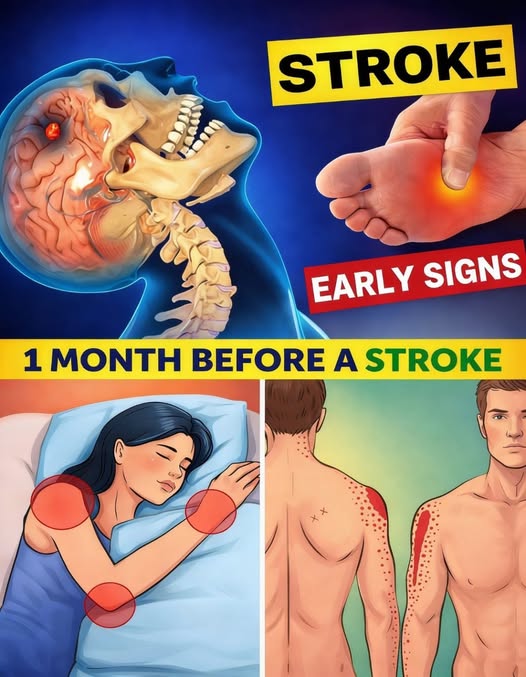
Salt
🏃 2. Stay physically active
Regular exercise improves blood flow and helps control blood pressure, weight, and cholesterol.
🚭 3. Avoid smoking
Smoking damages blood vessels and significantly increases stroke risk.
🍷 4. Limit alcohol intake
Excess alcohol can raise blood pressure and increase stroke risk over time.
🩺 5. Control blood pressure
High blood pressure is the leading cause of stroke. Regular monitoring is essential.
🍬 6. Manage diabetes
Keeping blood sugar under control reduces damage to blood vessels and the brain.
⚖️ 7. Maintain a healthy weight
Obesity increases the risk of high blood pressure, diabetes, and heart disease.
😴 8. Get quality sleep
Poor sleep or sleep apnea can increase stroke risk by affecting oxygen levels and blood pressure.
🧠 9. Reduce stress
Chronic stress can contribute to high blood pressure and unhealthy habits. Relaxation techniques like breathing exercises or walking can help.
⚠️ Important medical reminder
These warning signs:
- Do NOT guarantee a stroke will happen
- Can be caused by other conditions
- Still require immediate medical attention if they occur
If stroke symptoms appear suddenly (face drooping, arm weakness, speech difficulty), emergency help should be called immediately.
💡 Final thought
Stroke often develops silently, but the body may send early warning signals weeks in advance. Paying attention to subtle changes like dizziness, vision issues, weakness, or confusion can help prevent a life-threatening emergency.
Prevention is always more powerful than treatment. Healthy habits, regular checkups, and quick response to warning signs can significantly reduce stroke risk and protect long-term brain health. 🧠❤️