 Skip to content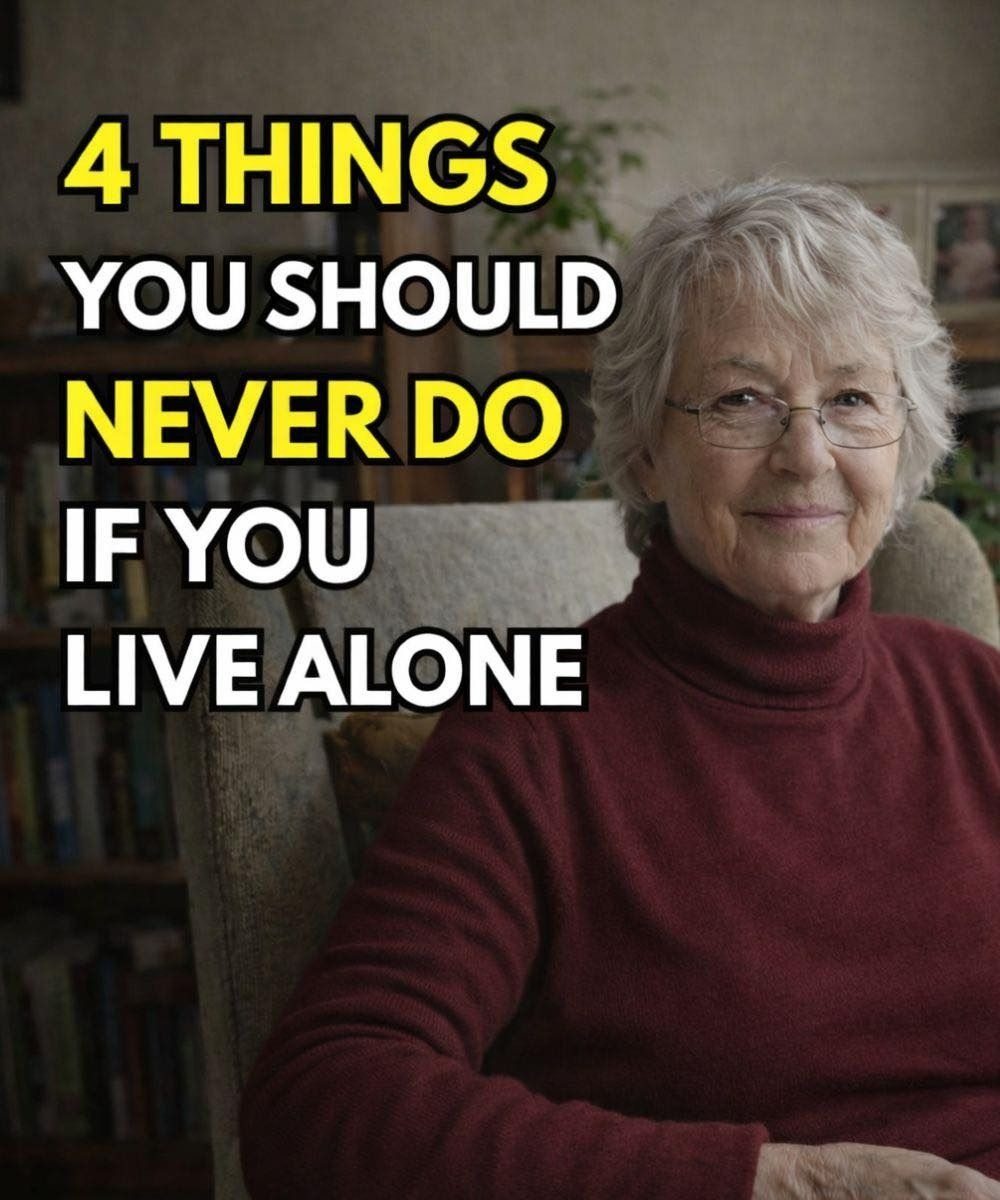
It’s easy to fall into habits like staying in all day, avoiding conversations, or disconnecting from others. While solitude can be healthy in moderation, too much of it can lead to feelings of loneliness or even depression.
Make an effort to stay connected. This could mean calling a friend, joining a class, working from a café occasionally, or simply going for a walk where you’re around other people.
Your mental health is just as important as your physical safety—and it deserves attention.
4. Never Become Too Comfortable with Risky Habits
When no one is around to notice, it’s easier to develop habits that might not be safe. This could include things like leaving appliances on, ignoring maintenance issues, or engaging in risky behavior without accountability.
For example, falling asleep with candles burning or leaving the stove unattended might seem harmless in the moment, but it can quickly turn dangerous.
Living alone requires a higher level of self-awareness. You don’t have someone else to catch mistakes or remind you of potential risks, so you have to be that person for yourself.
Building safe routines—like double-checking appliances and keeping your space organized—can prevent avoidable accidents.
Final Thoughts
Living alone isn’t something to fear—it’s something to respect. It offers freedom, independence, and personal growth, but it also requires mindfulness and responsibility.
By avoiding these four common mistakes, you can create a safer, healthier, and more balanced living environment for yourself.
Independence doesn’t mean doing everything alone—it means knowing how to take care of yourself wisely.