 Skip to content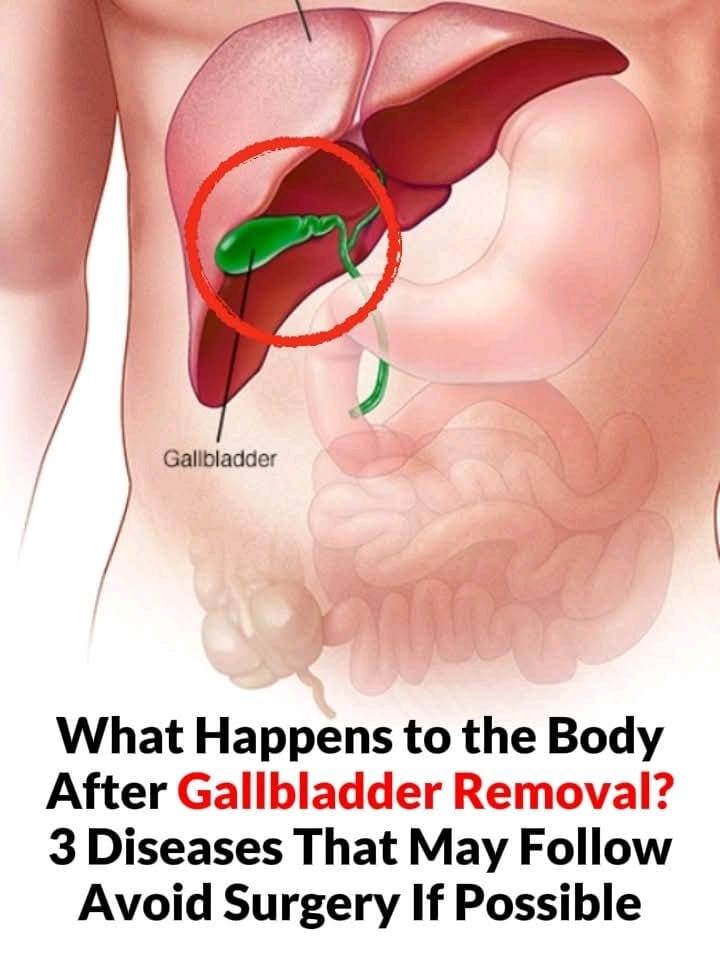
Cholecystectomy is a very common operation used to treat painful gallstones or gallbladder inflammation. Many people recover well and live completely normal lives afterward.
However, some online claims suggest “dangerous diseases” always follow surgery or that it should be avoided at all costs. That is misleading.
Let’s break down what actually happens in the body—clearly and realistically.
🧠 First: What changes after gallbladder removal?
The gallbladder is a small organ that stores bile, a digestive fluid produced by the liver. After removal:
- The liver still produces bile
- Bile flows directly into the intestine
- There is no storage “reservoir” anymore
👉 This change can affect digestion, especially in the early recovery period.
Most people adapt within weeks or months.
⚠️ 1. Digestive changes (most common effect)
After Cholecystectomy, some people experience:
- Loose stools or diarrhea
- Bloating or gas
- Sensitivity to fatty foods
This is sometimes called post-surgery digestive adjustment.
👉 Why it happens:
Bile is released continuously instead of in controlled amounts, which can irritate the intestines in some people.
🟢 Good news:
In most cases, symptoms improve as the digestive system adapts.
🔥 2. Bile reflux or stomach irritation (less common)
In some cases, bile may move upward toward the stomach, leading to:
- Burning sensation in the upper abdomen
- Nausea
- Bitter taste in the mouth
This is not common, but it can occur in a small number of patients.
👉 It can often be managed with diet changes or medication if needed.
🧬 3. Post-cholecystectomy syndrome (broad term)
Some patients experience ongoing symptoms after surgery, grouped under post-cholecystectomy syndrome.
Possible issues include:
- Persistent abdominal discomfort
- Bloating
- Irregular bowel habits
👉 Important:
This is not a single disease, but a collection of symptoms with different causes.
⚖️ Important correction: “3 diseases” claim
Online posts often say “3 diseases follow gallbladder removal,” but medically:
👉 These are possible side effects or functional changes, not guaranteed diseases
👉 Many people experience no long-term problems at all
👉 Some actually feel better because gallstone pain is gone
🧑⚕️ Why doctors recommend surgery when needed
Doctors suggest Cholecystectomy when there are serious risks such as:
- Repeated gallstone attacks
- Infection or inflammation
- Blocked bile ducts
- Risk of complications like pancreatitis
👉 Untreated gallbladder disease can become more dangerous than the surgery itself.
🥗 How to support digestion after surgery
Most people recover well with simple habits:
✔ Eat smaller meals
✔ Reduce very fatty foods at first
✔ Increase fiber gradually
✔ Stay hydrated
✔ Reintroduce foods slowly
👉 The digestive system often adapts over time.
🚫 About “avoid surgery if possible” claims