 Skip to content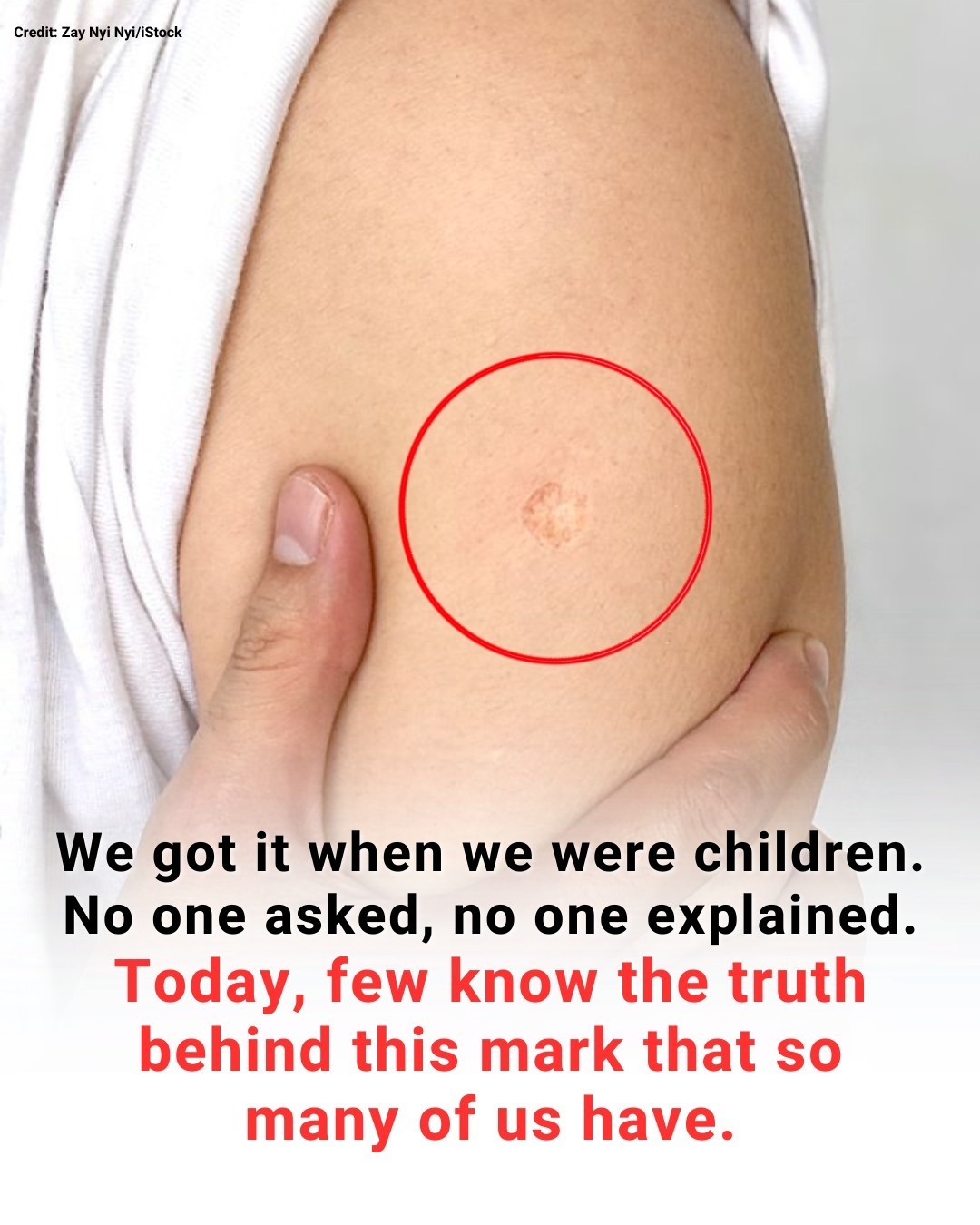
Not all circular scars come from medical interventions. Sometimes, nature leaves its mark:
- Insect or animal bites can create small circular scars if they become infected or irritated.
- Scratches or punctures from sharp circular objects—like bottle caps, coins, or toys—can leave lasting round marks.
- Childhood accidents often leave these tiny scars, unnoticed for years until they catch the light or someone points them out.
These types of scars, while accidental, are generally cosmetic rather than medical concerns.
🩺 Medical Procedures That Can Leave Round Scars
Doctors sometimes use procedures that intentionally remove a small circle of skin, leaving a round scar:
- Punch biopsy: A common dermatology technique to test for skin conditions.
- Mole removal: Especially if the mole is perfectly circular, removing it leaves a small round mark.
- Cyst removal: Small cysts or lipomas may also require circular excisions.
Unlike vaccination scars, these marks are more variable in size and may change with age or healing patterns.
🔍 How to Tell What Kind of Scar You Have
When you notice a round scar, consider these clues:
- Location: Upper-arm scars are often vaccination-related.
- Size: Tiny, 5–10 mm scars usually indicate vaccines; larger ones could be biopsies or injuries.
- Texture: Raised or pitted scars can give clues about how the skin healed.
- Color: Older scars may fade but leave pale, darker, or slightly shiny patches.
- History: Asking parents or reviewing vaccination records can often explain the mystery.
⚠️ When a Round Scar Might Require Attention