 Skip to content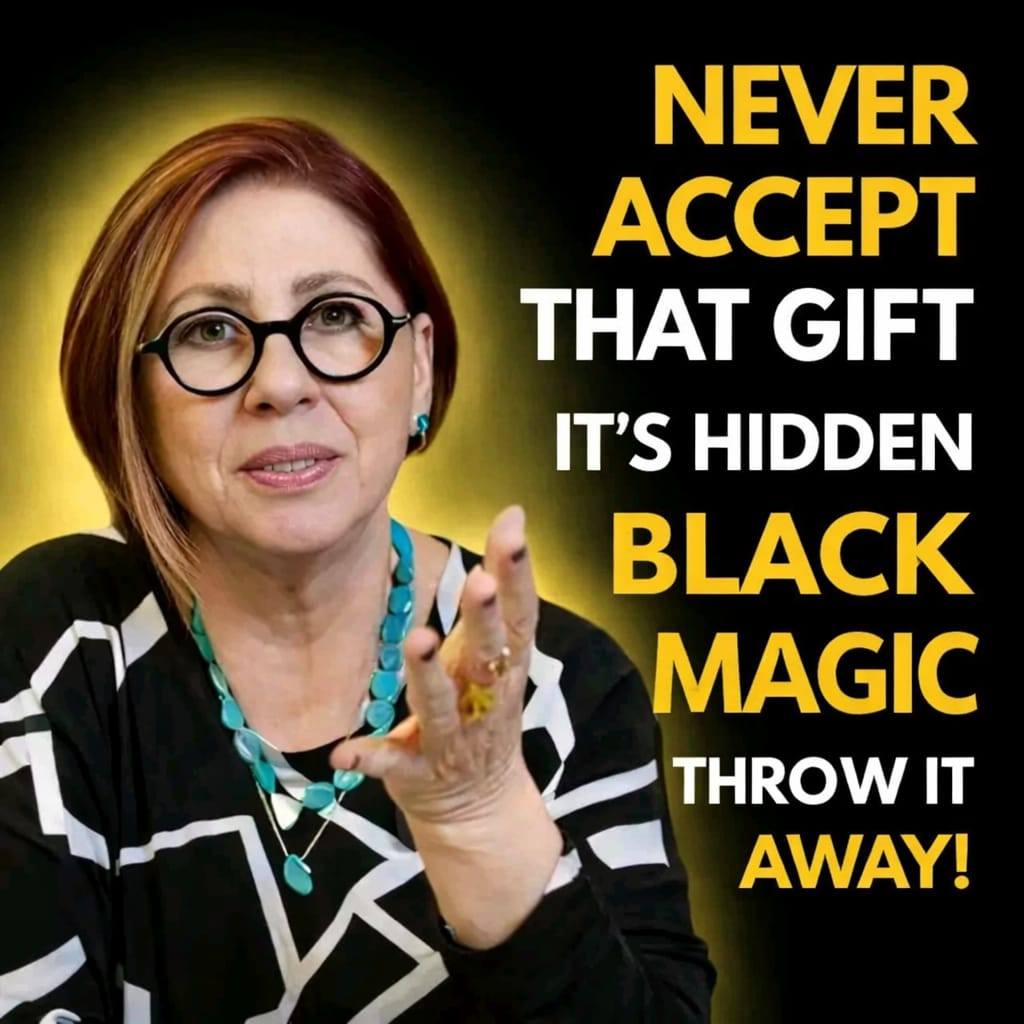
One important psychological concept is the nocebo effect.
This happens when:
- A person believes something is harmful
- Their body or emotions respond with stress or discomfort
- The belief itself creates the feeling of harm
For example, if someone strongly believes an object is “bad,” they may feel anxious or uneasy around it—even though the object is harmless.
This shows how powerful the mind is in shaping perception.
⚖️ Why these stories spread so quickly online
There are several reasons why “witchcraft gift” posts go viral:
🔥 1. Emotional shock value
Fear-based content gets attention faster than calm explanations.
📢 2. Easy sharing format
Short warnings like “don’t accept this gift!” are simple to repost.
🧩 3. Curiosity gap
People want to know “what object is it?” which increases engagement.
🎭 4. Misinterpretation of culture and tradition
Some symbolic practices are taken out of context and presented as literal danger.
🚫 The risk of believing in these claims
While harmless at first glance, believing strongly in such ideas can sometimes lead to:
- Unnecessary anxiety 😟
- Fear of normal objects
- Misinterpretation of everyday events
- Stress in social relationships
- Overthinking coincidences
In extreme cases, it can affect mental well-being by creating constant suspicion about harmless situations.
🧘♂️ A balanced and realistic perspective
It is important to respect cultural beliefs while also understanding the difference between:
- Symbolic meaning (cultural belief)
- Scientific reality (evidence-based facts)
If someone personally chooses to avoid certain objects due to belief or comfort, that is their choice. However, it is important not to present those beliefs as universal facts or scientific truth.
🧠 How to think critically about viral warnings
When you see posts claiming something like:
“If you receive this, throw it away immediately—it is dangerous”
Ask yourself:
- Is there any scientific evidence?
- Is the source credible?
- Is the message trying to scare me?
- Does it explain how or why in a logical way?
Most viral claims fail these basic questions.
🌟 Final thoughts
The idea that certain gifts are “witchcraft in disguise” belongs to the world of folklore, storytelling, and internet virality—not science.
In reality:
- 🧿 Objects do not carry supernatural power
- 🎁 Gifts do not influence fate or health
- 🧠 Fear-based interpretations come from belief, not evidence
- 📱 Viral posts often prioritize engagement over truth
Understanding this helps reduce unnecessary fear and promotes clearer, more rational thinking.