 Skip to content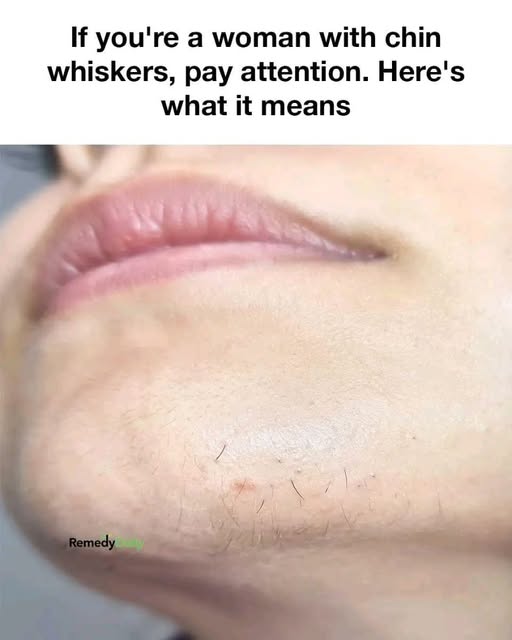
Hair follicle sensitivity
In these cases, chin whiskers are just part of your natural biological makeup—not a warning sign.
⚖️ 5. Stress and Lifestyle Factors
Long-term stress can influence hormone balance through the adrenal system. While stress alone does not directly “cause” chin whiskers, it can contribute to subtle hormonal fluctuations.
Other lifestyle factors that may play a role include:
- Poor sleep
- Sudden weight changes
- Insulin resistance
- Certain medications
One example of a related metabolic condition is:
Insulin resistance
Insulin resistance can sometimes affect hormone levels and is often linked with other metabolic changes in the body.
💊 6. Medications Can Sometimes Contribute
Certain medications may also influence hair growth patterns. These can include drugs that affect hormone levels or stimulate hair follicles.
This does NOT mean you should stop any medication—but if you notice sudden changes in hair growth after starting a new prescription, it’s worth discussing with a healthcare professional.
🧴 7. When Chin Whiskers Are Completely Normal
In many cases, chin whiskers are:
✔ A normal part of aging
✔ A genetic trait
✔ A harmless cosmetic change
✔ Not linked to any disease
Almost everyone will develop a few coarse facial hairs at some point in life. This is especially common after the age of 30–40.
🚨 When Should You Pay Attention?
While most chin whiskers are harmless, you should consider speaking to a doctor if you notice:
- Sudden increase in facial or body hair
- Irregular menstrual cycles
- Severe acne appearing suddenly
- Voice deepening or other strong hormonal changes
- Unexplained weight changes
These could indicate a deeper hormonal imbalance that may need evaluation.
🧠 The Science Behind Hair Growth