 Skip to content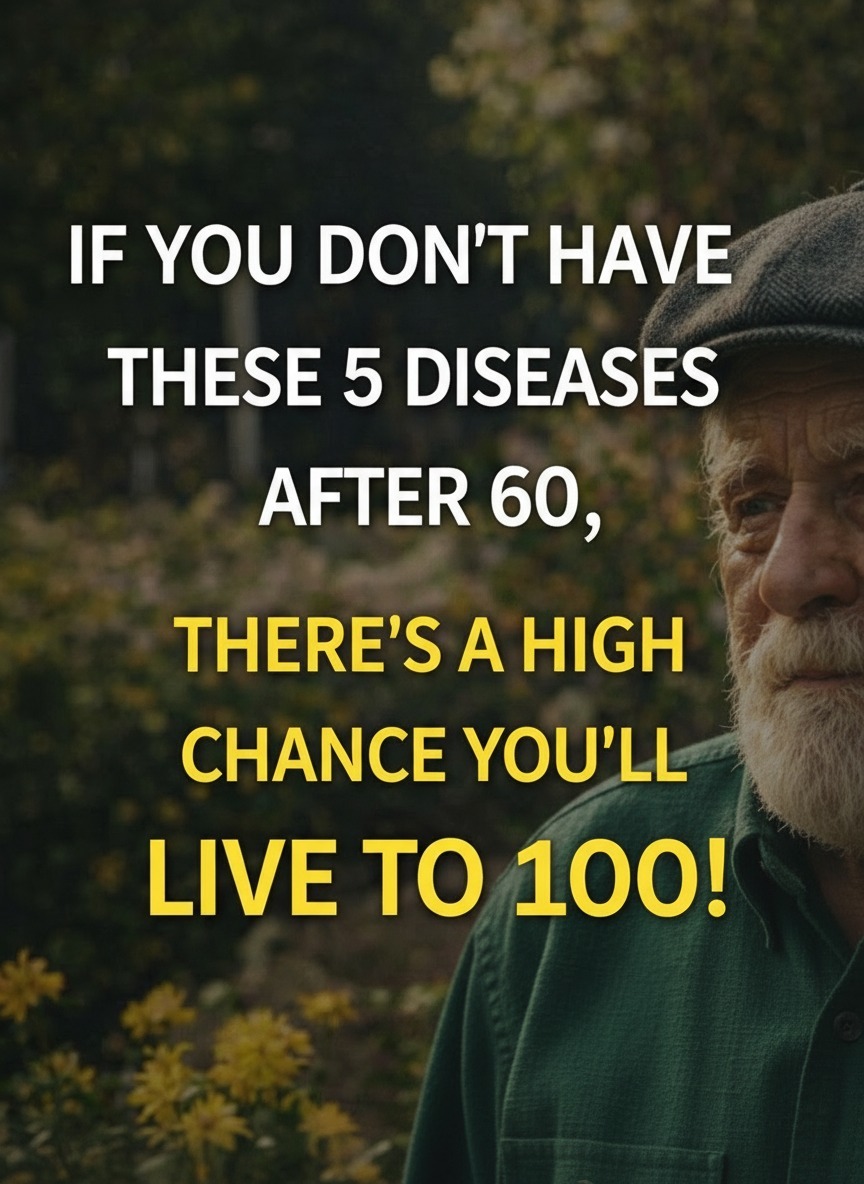
Cancer risk increases with age, but avoiding major cancers by 60 is still a significant positive health indicator.
It often reflects:
- Strong immune surveillance 🛡️
- Healthy cell repair systems
- Lower exposure to major carcinogens
- Better lifestyle habits over time
Why it matters:
Cancer affects not just lifespan but also long-term physical strength and quality of life depending on severity and treatment.
💡 While cancer can still occur later, early avoidance improves overall longevity statistics.
🧬📊 Why These 5 Diseases Are So Important Together
These conditions are grouped because they affect the body’s most essential systems:
- ❤️ Heart → circulation and survival
- 🧠 Brain → cognition and independence
- 🫁 Lungs → oxygen and energy
- 🩸 Metabolism → energy balance and inflammation
- 🛡️ Immune system → disease defense
When all five systems remain healthy at 60:
👉 The body is biologically more “youthful” than chronological age suggests.
🌿 What Longevity Studies Actually Show
Research from aging populations and long-lived communities suggests that people who live into their 90s and 100s often share these traits:
🥗 Lifestyle patterns:
- Mostly whole, unprocessed foods
- Moderate calorie intake
- High fiber diet
- Low sugar consumption
🚶♂️ Daily habits:
- Regular walking or physical activity
- Consistent movement (not necessarily intense exercise)
- Active daily routines instead of sedentary living
🧘 Mental & social health:
- Strong family and community connections 🤝
- Lower chronic stress levels
- Purpose-driven living
💡 Longevity is rarely about one “miracle habit”—it’s a combination of consistent lifestyle choices over decades.
⚠️ Important Reality Check