 Skip to content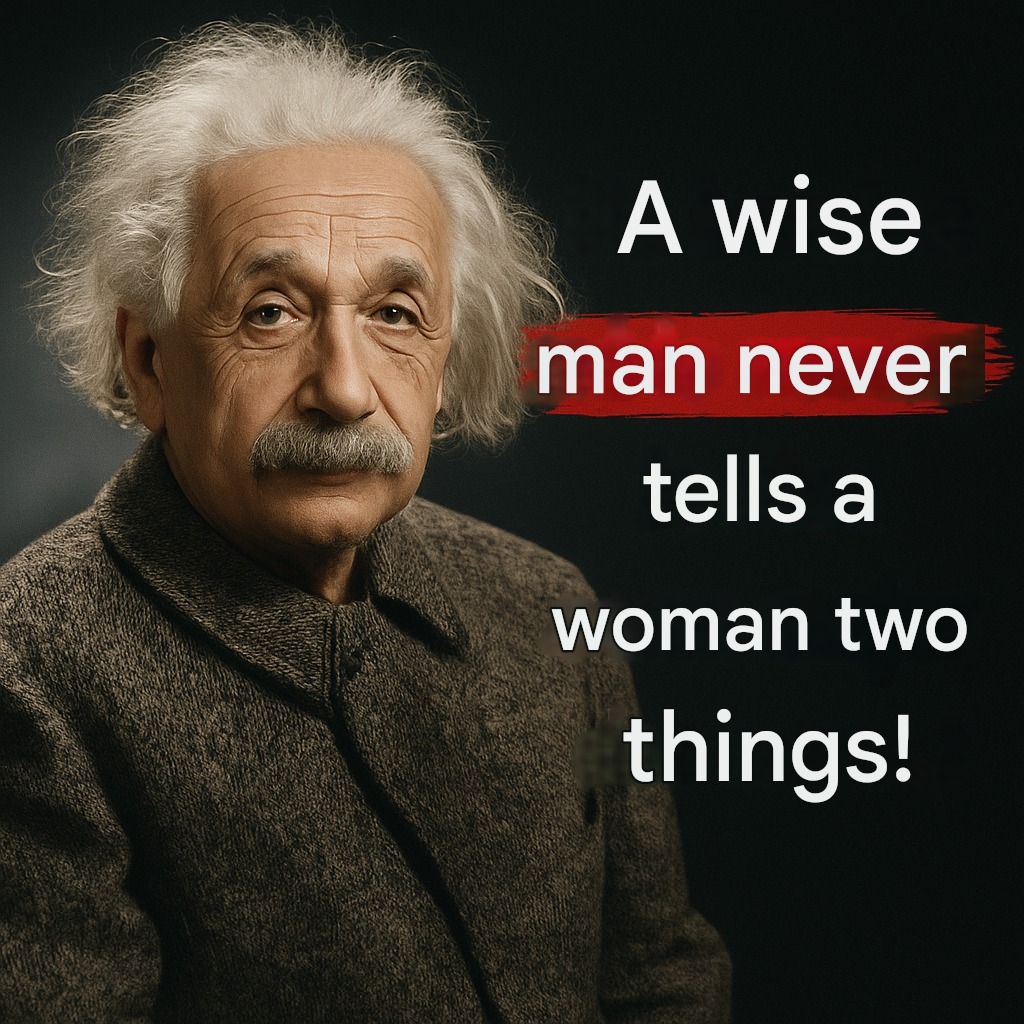
These absolute statements often escalate conflict.
They:
- Oversimplify behavior
- Ignore context
- Turn one issue into a pattern accusation
Healthy communication focuses on specific situations, not permanent labels.
💔 7. “Do whatever you want”
While it may sound like giving freedom, in emotional conversations it often signals:
- Withdrawal
- Frustration
- Lack of engagement
A wiser approach is to stay present in the conversation, even during disagreement.
🧠 The Real Meaning of “Wisdom” in Communication
Being wise in relationships is not about controlling speech—it is about emotional awareness.
A wise man:
- Listens before reacting
- Speaks with respect, even in conflict
- Avoids words that intentionally hurt
- Understands emotional impact
- Chooses clarity over ego
This aligns with emotional intelligence principles studied in psychology, where communication strongly influences relationship stability.
A related psychological concept is Emotional Dysregulation, which can affect how people react and communicate during conflict.
🧠 Why Words Matter More Than Intent
One of the biggest misunderstandings in relationships is thinking:
“I didn’t mean it that way.”
But emotionally, people respond to how something feels, not just intent.
This is why wise communication focuses on:
- Tone
- Timing
- Respect
- Empathy
❤️ What a Wise Man Does Say Instead
Instead of dismissive or hurtful phrases, a wise man might say:
- “I understand why you feel that way.”
- “Help me understand better.”
- “Let’s talk about this calmly.”
- “I hear you.”
These create connection instead of distance.
🌟 Final Thoughts
A wise man is not someone who has perfect words, but someone who avoids words that damage trust.
In relationships, what you say matters—but how you make someone feel matters even more.
True wisdom in communication is simple:
👉 Speak with respect, listen with patience, and never use words that you would not want used against you ❤️🧠✨