 Skip to content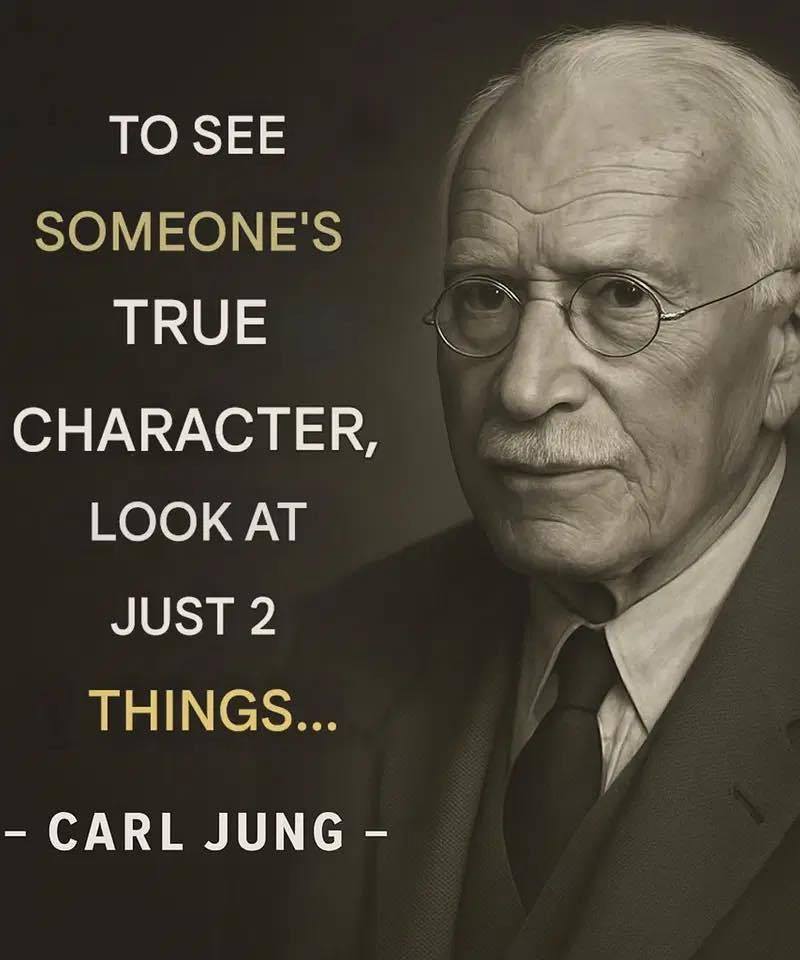
People often say “actions speak louder than words,” and in psychology, this idea is very important. While personality tests and first impressions can be misleading, real character tends to reveal itself through consistent behavior in everyday life situations.
Instead of focusing on long checklists, many psychologists and behavioral experts agree that there are two key areas where a person’s true character becomes most visible.
Let’s break them down.
⚖️ 1. How they treat people who cannot benefit them
One of the strongest indicators of character is how someone behaves when there is no advantage involved.
This includes how they treat:
- Service workers
- Strangers
- People in lower positions
- Those who cannot offer anything in return
🧠 Why this matters:
When there is no reward, recognition, or personal gain, behavior becomes more genuine.
👉 Kindness in these situations is usually a sign of respect and emotional maturity.
👉 Disrespect or arrogance often reflects entitlement or insecurity.
💡 Real-life examples:
- Being polite to a waiter even when no one is watching
- Showing patience with customer service workers
- Speaking respectfully to people regardless of status
👉 These small moments often reveal more than big speeches or social media posts.
🧠 2. How they behave when they are under stress or pressure
The second major indicator of character is how someone reacts when things go wrong.
This includes:
- Conflict situations
- Financial or work pressure
- Emotional frustration
- Unexpected problems
🧠 Why this matters:
Stress removes “social filters,” and people tend to show their natural emotional responses.
👉 Under pressure, true habits appear:
- Do they stay calm or become aggressive?
- Do they take responsibility or blame others?
- Do they communicate or shut down?
⚖️ Examples of strong vs weak character responses:
✔️ Strong character traits:
- Staying calm under pressure
- Communicating respectfully even during conflict
- Taking responsibility for mistakes
- Trying to find solutions
❌ Weak character patterns:
- Blaming others immediately
- Exploding emotionally
- Avoiding responsibility
- Disrespect during disagreements
🧠 Why these two things matter most