 Skip to content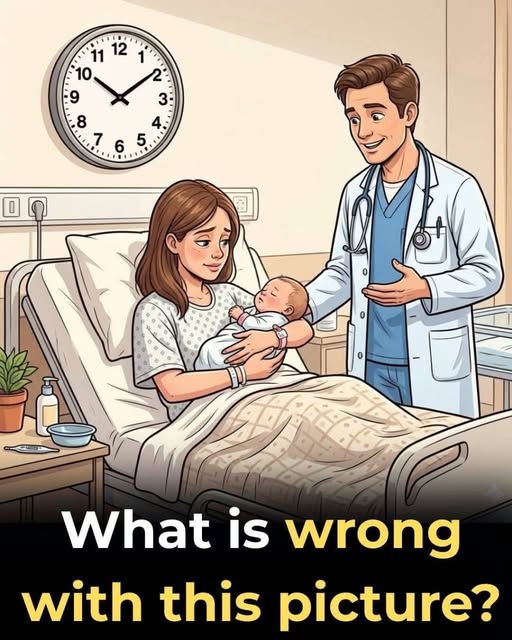
The difficulty of this image lies in its simplicity. There are no bright colors or obvious distractions. Instead, the mistake is hidden in plain sight, blending in with the normal elements of the scene.
Most people tend to:
- Focus on the center of the image
- Ignore faint or unclear areas
- Assume handwritten or blurred text is correct
This is exactly what makes the hidden mistake so effective—it takes advantage of our habits.
🧠 The Psychology Behind Missing the Obvious
Our brains use something called cognitive shortcuts to process information quickly. While this helps us in daily life, it can also lead to errors in judgment.
For example:
- We often “auto-correct” things in our mind without realizing it
- We rely on context instead of verifying details
- We overlook small inconsistencies when everything else seems normal
This is known as inattentional blindness—when we fail to notice something clearly visible because our attention is focused elsewhere.
🏥 Why Details Matter—Especially in Hospitals
Even though this is just a puzzle, it reflects a real-world truth. In environments like hospitals, small mistakes can have big impacts.
Think about:
- A misspelled medication name
- Incorrect patient information
- A wrong date or number
These small details can lead to misunderstandings or serious issues. That’s why professionals are trained to double-check everything carefully.
🔍 So… What’s the Mistake?