 Skip to content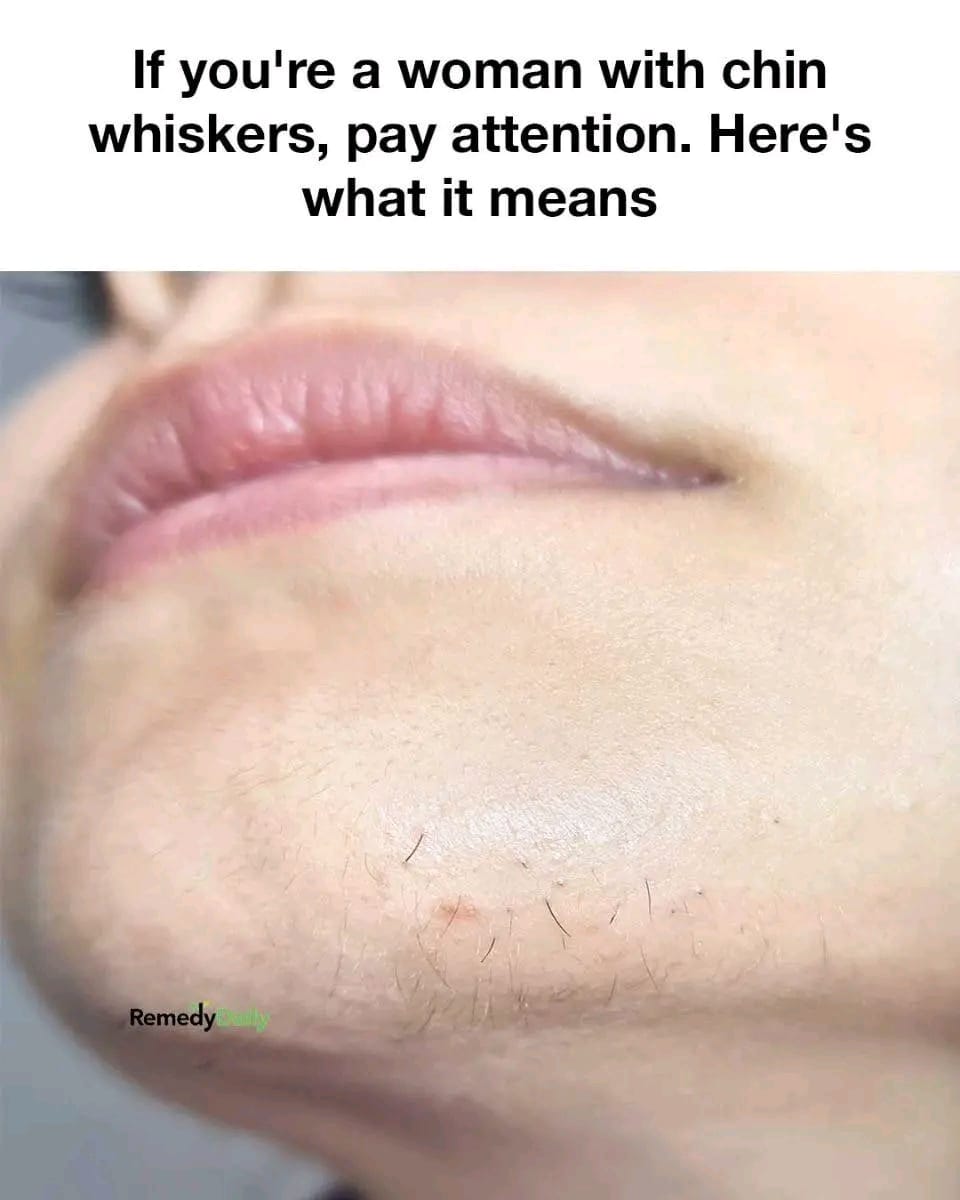
Most cases are harmless, but you should consider checking with a healthcare professional if you notice:
- Rapid increase in facial hair
- Hair growth combined with acne or irregular periods
- Deepening voice or other hormonal changes
- Sudden body hair changes in multiple areas
👉 These symptoms may indicate an underlying hormonal condition that can be treated.
💡 SAFE AND SIMPLE WAYS TO MANAGE CHIN HAIR
If chin whiskers are mainly a cosmetic concern, there are several safe options:
✂️ 1. Temporary removal
- Tweezing
- Threading
- Shaving
💅 2. Cosmetic treatments
- Waxing
- Laser hair reduction (long-term option)
🧴 3. Skin care
- Keep skin clean and moisturized
- Avoid irritation after hair removal
👉 None of these affect health—they are purely cosmetic choices.
🧠 IMPORTANT TRUTH: IT’S OFTEN NORMAL
Chin whiskers are very common, especially in women as they age. In most cases, they are:
- Not dangerous
- Not a sign of disease
- Just a normal variation in hair growth
👉 The key is understanding whether they are stable and gradual (normal) or sudden and changing (worth checking).
🌟 FINAL THOUGHTS
Chin whiskers can sometimes reflect natural hormonal shifts, genetics, or aging—but in most cases, they are simply a normal part of the body’s variation.
Instead of worrying, it is more helpful to observe:
- How quickly changes occur
- Whether other symptoms are present
- Whether there are broader hormonal changes
When in doubt, a simple medical check can provide clarity and peace of mind.
👉 The most important takeaway:
Small changes in hair growth are usually normal, but your body’s patterns are always worth understanding—not fearing.
Taking care of your overall health through balanced nutrition, stress management, and regular check-ups is the best way to maintain hormonal balance and well-being.