 Skip to content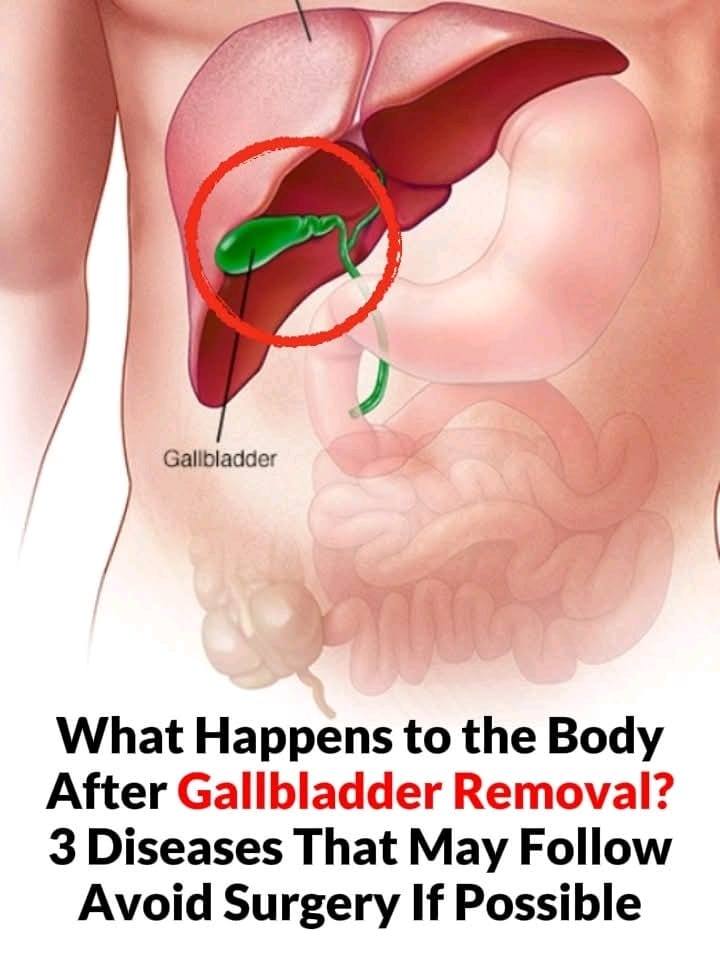
Surgery is typically suggested when there are:
- Recurrent gallstones causing pain
- Gallbladder inflammation (cholecystitis)
- Blocked bile ducts
- Risk of serious complications
Leaving these conditions untreated can sometimes be more dangerous than surgery itself.
🥗 Life after surgery: what helps recovery
Most people recover well with simple lifestyle adjustments:
✔ Eat smaller, lighter meals
Helps the digestive system adapt to continuous bile flow.
✔ Reduce very fatty or fried foods (especially early on)
Prevents digestive discomfort.
✔ Increase fiber gradually
Supports bowel regularity.
✔ Stay hydrated
Helps digestion and gut balance.
✔ Reintroduce foods slowly
Allows the body to adjust comfortably.
⚖️ “Avoid surgery if possible” — a balanced reality check
While it’s natural to want to avoid surgery, the decision should never be based on fear alone.
Gallbladder removal is recommended when:
- Symptoms are severe or recurring
- There is risk of infection or blockage
- Medication or diet changes are not enough
👉 In many cases, delaying necessary surgery can lead to more serious complications, not fewer.
🌿 Final Thoughts
After gallbladder removal, the body adapts to a new way of digesting fats. Some people may experience temporary digestive changes such as bloating, diarrhea, or sensitivity to fatty foods, but most adjust over time without major long-term issues.
The three main post-surgery concerns people may notice are:
- Digestive changes (most common)
- Occasional bile reflux symptoms
- Temporary gut balance adjustments
However, it is important to remember:
👉 Gallbladder removal is a well-established, common, and generally safe procedure
👉 Many people live completely normal lives afterward
👉 The decision should always be made with medical guidance, not online fear
In the end, the goal is not to “avoid surgery at all costs,” but to choose the option that best protects long-term health and quality of life.