 Skip to content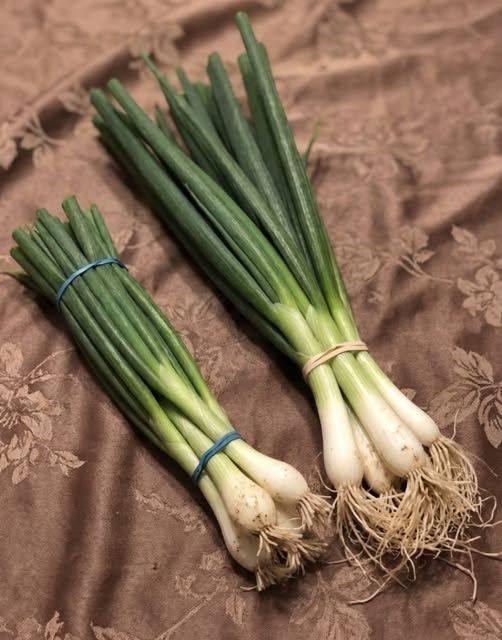
Whether labeled green onion or scallion, the nutrition is identical:
- Low in calories
- Contains vitamin C 🍊
- Contains vitamin K 🦴
- Small amounts of fiber
- Antioxidants that support health
They are considered a healthy, flavorful addition to meals without adding fat or heavy calories.
⚖️ Why People Argue About It
This topic often creates unnecessary tension in households and kitchens because:
- Some people learned cooking from strict traditional recipes
- Others rely on grocery store labels
- Regional language differences create assumptions
- People assume their version is “correct”
But in reality:
👉 Both terms are widely accepted
👉 Neither is “wrong”
👉 Context matters more than the label
🧾 Final Verdict
✔ Green onions and scallions are essentially the same vegetable
✔ Differences are mostly regional or linguistic
✔ Any variation is minor and not important in everyday cooking
✔ You can safely substitute one for the other in recipes
🌟 Final Thoughts
Food names can be surprisingly confusing, especially when different cultures and cooking traditions use different words for the same ingredient. But in this case, there’s no need for stress or correction battles in the kitchen.
Whether you call them green onions or scallions, you’re talking about the same fresh, mild, and versatile ingredient that enhances thousands of dishes around the world.
So next time someone corrects you, you can confidently say:
👉 “They’re the same thing—just different names.” 😄