 Skip to content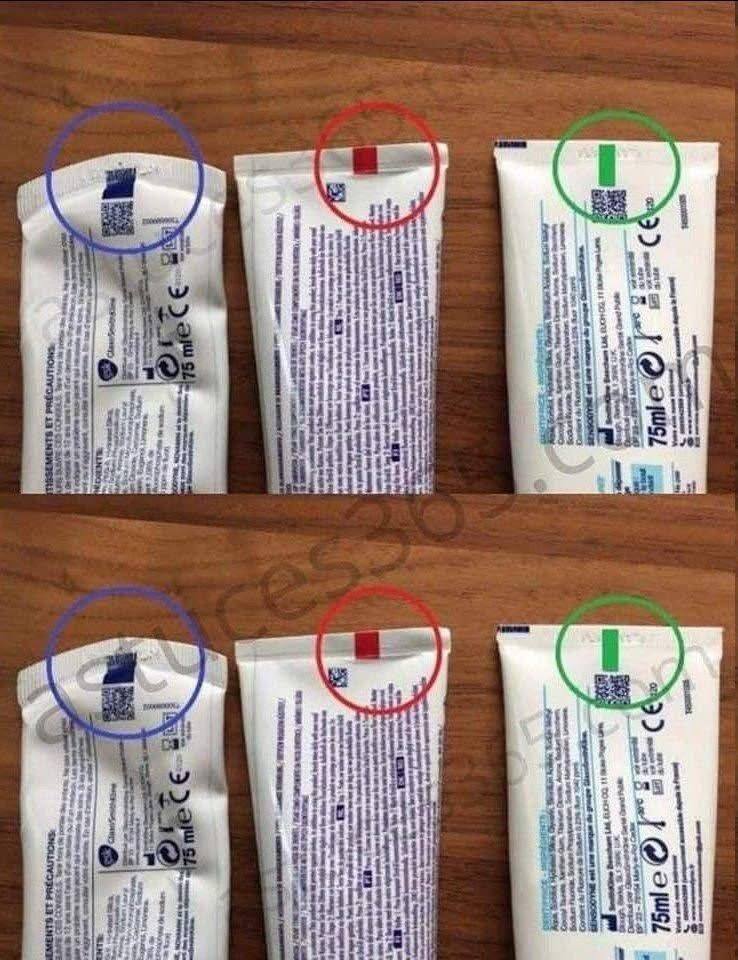
Despite the fact that the stripe has nothing to do with ingredients, the myth continues to spread. Why?
- Color Psychology – People naturally associate colors with meanings. Green feels natural, blue feels calming, and red feels intense or “strong.”
- Branding and Marketing – Many toothpaste brands choose stripe colors to match flavors or themes. For example, green stripes often appear on herbal or mint-flavored toothpaste. This coincidental alignment makes it look like the color signals the ingredients.
- Viral Social Media Posts – Posts claiming toothpaste colors reveal chemicals or toxicity have gone viral for years, even though they are not based on scientific fact.
The Real Differences Between Toothpastes
If you want to know what’s really important in your toothpaste, it’s all in the ingredients, not the stripe color. Here are some real considerations:
- Fluoride Content – Fluoride strengthens enamel and prevents cavities. Always check that your toothpaste contains fluoride.
- Whitening vs. Sensitive Toothpaste – Whitening toothpaste has mild abrasives to remove surface stains. Sensitive toothpaste may include potassium nitrate or strontium chloride to reduce tooth sensitivity.
- Tartar Control – Certain toothpastes contain pyrophosphates or zinc citrate to reduce tartar buildup.
- Natural or Herbal Toothpaste – Ingredients like neem, clove, or aloe vera may be included, but this is unrelated to the color stripe.
Fun Facts About Toothpaste
Here are some surprising facts that may make your daily brushing more interesting:
- Ancient Roots – The earliest toothpaste dates back to 5000 BC! Ancient Egyptians used crushed rock salt, ox hooves, and eggshells to clean their teeth.
- Tube Evolution – Toothpaste tubes have changed a lot. Early tubes were made of tin or lead, which could react with the paste. Modern tubes are hygienic and prevent contamination.
- Flavor Variety – Mint is classic, but toothpaste can come in cinnamon, fruity, or even charcoal flavors. Flavors encourage consistent brushing habits, especially for kids.
- Color Psychology in Marketing – Even if the stripe is just for machines, brands often use colors to suggest freshness, strength, or natural ingredients, subtly influencing consumers’ choices.
Choosing the Right Toothpaste