 Skip to content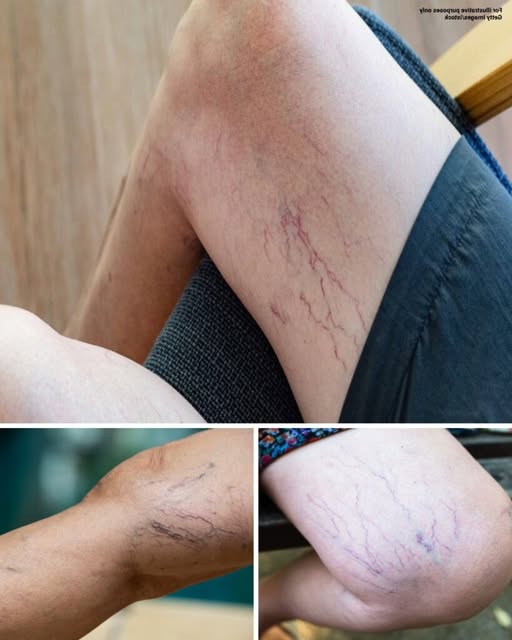
Noticing purple or bluish veins on your legs can be surprising. Some people immediately worry that it signals a serious health problem, while others assume it’s purely cosmetic.
The truth is somewhere in between: in many cases, these veins are common and harmless—but sometimes they can reflect underlying circulation issues that are worth paying attention to.
Let’s break it down clearly and realistically.
🧠 What Are Purple Veins?
Purple, blue, or reddish veins that appear close to the surface of the skin are usually:
- Spider veins (small, thin, web-like veins)
- Or early varicose veins (larger, more visible veins)
These veins become visible when blood flow in the veins is slightly altered or when vein walls weaken.
🩸 1. It Often Means Changes in Blood Circulation
Your veins carry blood back to the heart. When the valves inside veins don’t work perfectly, blood can pool in the legs.
This can make veins:
- More visible
- Slightly swollen
- Purple or bluish in color
This is one of the most common reasons.
🧬 2. Genetics Play a Big Role
Some people are simply more likely to develop visible veins.
You may notice them if:
- Family members have similar veins
- You have thinner or lighter skin
- You naturally have more visible blood vessels
👉 In this case, it’s often not dangerous.
🪑 3. Standing or Sitting for Long Periods
Lifestyle can strongly influence vein visibility.
Risk increases if you:
- Stand for many hours (jobs like retail, teaching)
- Sit for long periods without movement
- Don’t get enough physical activity
Gravity makes it harder for blood to flow upward, which can stress the veins.
🫀 4. It May Be an Early Sign of Varicose Veins
In some cases, purple veins can develop into more noticeable vein conditions.
This may include:
- Bulging veins
- Leg heaviness
- Mild swelling
- Aching after long days
This condition is known as Varicose veins.
🤰 5. Hormonal Changes Can Contribute
Hormones affect blood vessels and circulation.
Purple veins are more common during:
- Pregnancy
- Hormonal fluctuations
- Use of certain medications
These changes can relax vein walls and make veins more visible.
⚖️ 6. Body Weight and Pressure on Veins
Extra pressure on the lower body can affect circulation.
This may happen with:
- Weight gain
- Reduced movement
- Increased pressure on leg veins
This doesn’t mean it’s severe—but it can contribute.
⚠️ When You Should Pay Attention