 Skip to content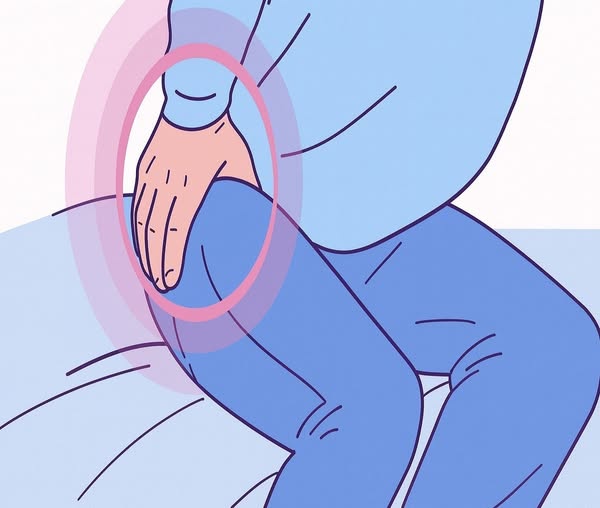
Hip pain is more than just a nuisance—it’s your body’s way of sending a message. Millions of people ignore it, thinking it’s a normal part of aging or just a result of exercise. But hip discomfort can reveal a lot about your overall health, mobility, and even long-term joint function.
Understanding the root cause of hip pain is crucial because it can prevent serious complications and improve your quality of life. Let’s dive into why hip pain happens, what it may indicate, and how you can address it before it becomes a bigger problem.
🧠 Why Hip Pain Happens
Your hips are one of the largest and most complex joints in your body. They support your weight, enable movement, and connect your legs to your torso. Because they do so much work, pain in the hips can stem from several factors:
- Muscle or Ligament Strain – Overuse, sudden movements, or heavy lifting can strain muscles and ligaments around the hip.
- Joint Wear and Tear – Osteoarthritis is a common culprit, especially in adults over 50.
- Bursitis – Inflammation of the fluid-filled sacs that cushion your joints can lead to sharp or aching pain.
- Hip Labral Tear – Damage to the cartilage surrounding the hip socket can cause stiffness, clicking, or deep pain.
- Referred Pain – Sometimes pain in the hip actually originates in the lower back or pelvis.
⚠️ Hip Pain as a Warning Sign
Hip discomfort is not always just about movement—it can indicate underlying health issues:
- Early Osteoarthritis – Persistent pain, stiffness, and difficulty walking may signal joint degeneration.
- Inflammatory Conditions – Diseases like rheumatoid arthritis or lupus can affect the hips.
- Osteoporosis – Weak bones are more prone to fractures, and hip pain can be an early warning.
- Circulatory Problems – Reduced blood flow to the hip joint may cause persistent aching.
Ignoring these signs can lead to chronic pain, limited mobility, and even the need for surgery in severe cases.
🏃♂️ Common Symptoms to Watch