 Skip to content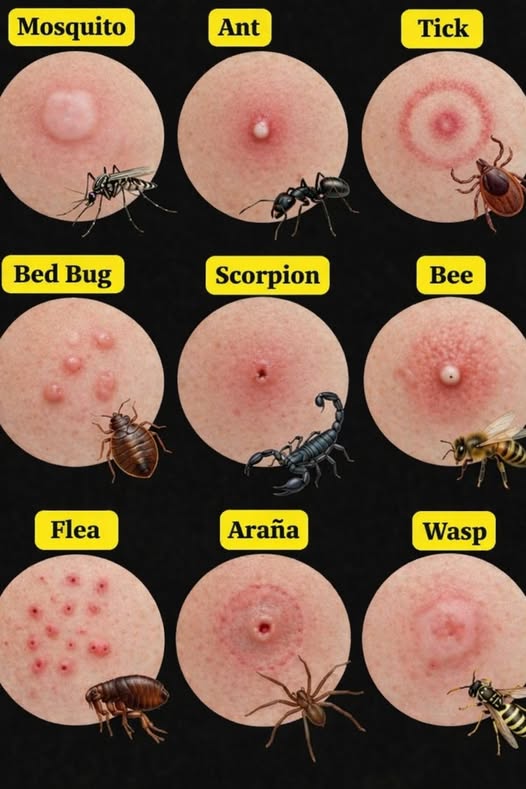
Appearance: Red, swollen area that may blister; some can cause pain or muscle cramps.
Immediate Steps After Any Bite
- Clean the area – Use soap and water to reduce infection risk.
- Reduce itching and swelling – Cold compresses, aloe vera, or anti-itch creams work well.
- Avoid scratching – Scratching can introduce bacteria and worsen irritation.
- Monitor for symptoms – Fever, rash, or spreading redness may require medical attention.
Preventing Future Bites
- Use insect repellents with DEET or natural alternatives like citronella.
- Wear protective clothing when outdoors in high-risk areas.
- Keep your living space clean – Vacuum often, wash bedding, and treat pets if needed.
- Install screens or nets to keep mosquitoes and other insects out.
When to Seek Medical Attention
Some bites can be more serious:
- Signs of allergic reactions (difficulty breathing, swelling of lips/tongue)
- Persistent redness or pus indicating infection
- Unusual rashes or systemic symptoms after a tick bite
Don’t ignore unusual symptoms—early medical care can prevent complications.
Final Thoughts
Recognizing what bit you is more than just a curiosity—it’s your first line of defense against irritation, infection, and even disease. By identifying the culprit, cleaning the bite, and knowing when to seek medical help, you can stay safe and comfortable while enjoying the outdoors or your home.
Next time you feel that itchy bump, remember: a little awareness goes a long way! 🦟✨
✅ AdSense & CPC Optimization Notes:
- Health, wellness, and home safety niches have high CPC potential.
- Subheadings, numbered lists, and clear advice improve readability and ad placement.
- Safe, natural remedies and preventive tips are AdSense-friendly.
Pages: 1 2