 Skip to content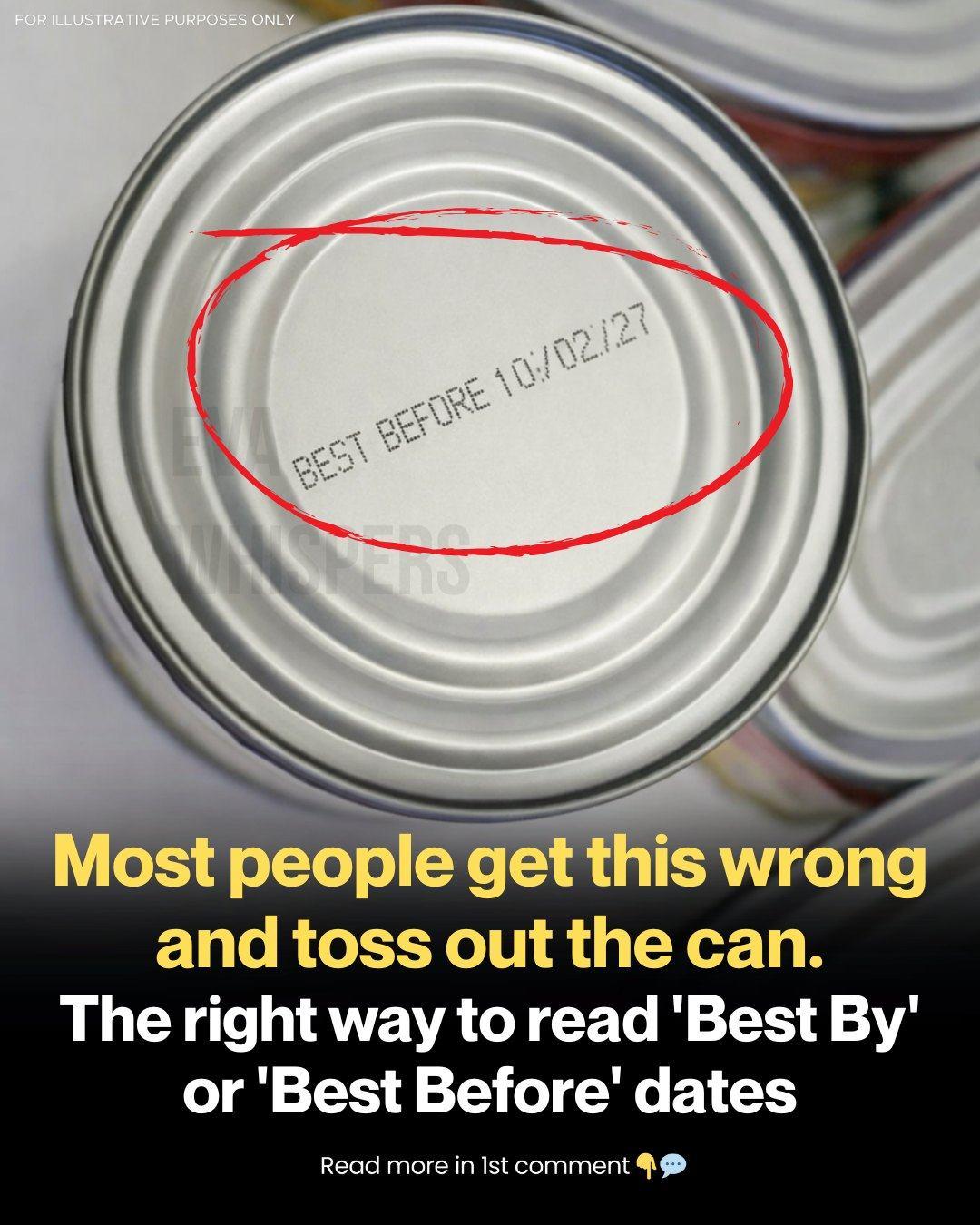
We’ve all done it. You open your pantry, pick up a canned food item, glance at the date stamped on it, and immediately think: “Expired… straight to the trash.” But according to food safety experts, this is one of the most common mistakes people make—and it leads to perfectly good food being wasted every day.
The truth is, those dates on cans are often misunderstood. They don’t always mean what people think they mean, and learning how to read them properly can save money, reduce waste, and even help you avoid unnecessary panic.
🥫 First: Expiry Dates on Cans Are Not Always “Expiration”
Most canned foods don’t actually have a strict “expiration date” in the way fresh foods do. Instead, you’ll usually see terms like:
- “Best before”
- “Best by”
- “Use by”
- “Sell by”
Here’s the key difference:
👉 A “best before” date refers to quality, not safety.
👉 A “use by” date is more important for safety (mainly for perishable foods, not most canned items).
Canned foods are designed to last a long time because they are sealed and heat-processed to prevent bacterial growth.
🧠 Why Canned Food Lasts So Long
Canned food is preserved through a process that removes air and seals food in a sterile environment. This makes it difficult for harmful bacteria to grow as long as the can remains intact.
That’s why many canned goods can last years beyond the printed date if stored properly.
However, quality may slowly decline over time—taste, texture, and nutritional value can change even if the food is still safe.
⚠️ When You SHOULD NOT Use a Can
Even though many canned foods last longer than expected, there are important safety exceptions. You should discard a can if you notice:
- Bulging or swollen lid
- Rust or deep dents
- Leaking or damage
- Strong, unpleasant odor when opened
- Foamy or unusual texture
These signs may indicate contamination or gas-producing bacteria.
Food safety agencies strongly warn against consuming damaged canned goods under any circumstances.
🥫 The “Right Way” to Read the Date